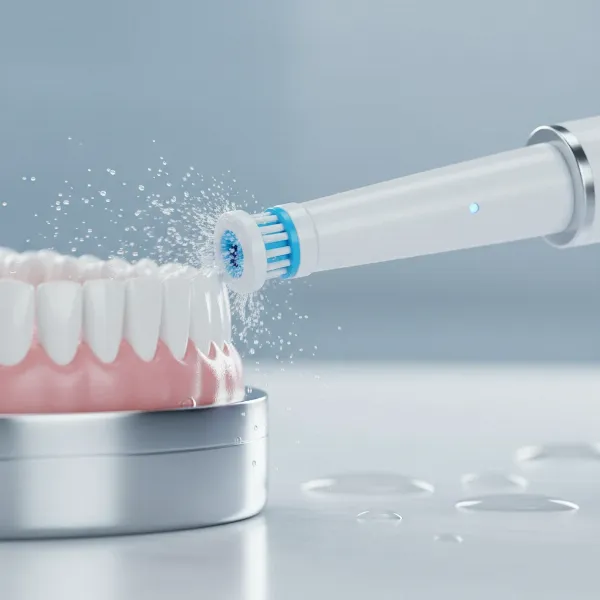
Have you ever wondered if your daily brushing routine is truly enough to maintain optimal oral health? In a world brimming with advanced dental gadgets, the electric toothbrush and the water flosser stand out as two revolutionary tools. While both promise a cleaner mouth and healthier gums, a common question arises: do you really need both to achieve that pristine, dentist-clean feeling every day? This article will dive deep into the unique functions, benefits, and complementary roles of electric toothbrushes and water flossers, guiding you toward a comprehensive oral care strategy.
Understanding Your Oral Hygiene Arsenal
Modern oral hygiene has evolved far beyond the simple manual toothbrush. Today, we have sophisticated devices designed to tackle plaque and debris with greater efficiency and precision. Knowing how each tool works is the first step toward building an effective daily routine.
What is an Electric Toothbrush?
An electric toothbrush is a battery-powered device engineered to automate the brushing process through rapid bristle movements. Unlike manual brushing, where effectiveness largely depends on technique and diligence, an electric toothbrush performs most of the work for you, ensuring consistent cleaning across all tooth surfaces.
The history of electric toothbrushes traces back to the 1950s, evolving significantly to incorporate various technologies. Today, the market offers several primary types, each with a distinct operating mechanism:
- Oscillating/Rotary Electric Toothbrushes: These feature a small, round brush head that rotates back and forth, often combined with pulsating motions to break up and sweep away plaque. They are known for their precision cleaning around each individual tooth.
- Sonic Electric Toothbrushes: Operating at high frequencies, these toothbrushes generate vibrations that create fluid dynamics in the mouth. This action helps dislodge plaque not only where the bristles touch but also in areas they can’t directly reach.
- Ultrasonic Electric Toothbrushes: Representing the pinnacle of electric toothbrush technology, ultrasonic models vibrate at extremely high frequencies (over 2.4 million strokes per minute). These vibrations create microscopic bubbles that clean teeth and gums gently and effectively, often without requiring physical brushing contact. They are particularly suitable for individuals with sensitive teeth or gums.
|
Our Picks for the Best Electric Toothbrush in 2026
As an Amazon Associate I earn from qualifying purchases.
|
||
| Num | Product | Action |
|---|---|---|
| 1 | Onlyone Sonic Electric Toothbrush for Adults, Rechargeable Ultrasonic Electric Toothbrush with 8 Brush Heads, Travel Case, Charging Base & Wireless Charging - 5 Modes with Smart Timer |

|
| 2 | Oral-B iO Simple Clean Rechargeable Electric Powered Toothbrush, Pure White with 1 Gentle Care Brush Head and 1 White Travel Case - Automatic Pressure Sensor to Protect Gums - 3 Modes -2 Min Timer |
|
| 3 | Oral-B iO Simple Clean Rechargeable Electric Powered Toothbrush, Night Black with 1 Gentle Care Brush Head and 1 Black Travel Case - Automatic Pressure Sensor to Protect Gums - 3 Modes - 2 Min Timer |
|
| 4 | Oral-B Pro 1000 Rechargeable Electric Toothbrush, White |
|
| 5 | Philips Sonicare 1100 Series Electric Toothbrush - Sonic Toothbrush with Advanced Sonic Technology, EasyStart, Smartimer & Quadpacer, White, Model HX3641/02 |
|
| 6 | COSLUS Sonic Electric Toothbrush for Adults C40(DY-108Pro): 47000 VPM for Deep Cleaning with Travel Case - 5 Modes for Sensitive Teeth & Brace, Wireless Charging, 6 Brush Heads for Family, Black (1PC) |
|
| 7 | Philips Sonicare 4100 Rechargeable Electric Toothbrush, Advanced Plaque Removal, Pressure Sensor, Includes Brush Head Case, White BD5002AZ |
|
| 8 | Philips Sonicare 2100 Series Electric Toothbrush - Sonic Toothbrush with Advanced Sonic Technology, Two Intensity Settings, Smartimer & Quadpacer, White, Model HX3661/04 |
|
| 9 | Oral-B Pro 1000 Rechargeable Electric Toothbrush, Black |
|
| 10 | Philips Sonicare 4100 Series Electric Toothbrush - Sonic Toothbrush with Advanced Sonic Technology, Pressure Sensor, Two Intensity Settings, Smartimer & Quadpacer, Deep Pink, Model HX3681/26 |
|
Benefits of Using an Electric Toothbrush
Switching to an electric toothbrush can bring numerous advantages to your oral health routine. Studies consistently demonstrate their superior ability to combat plaque and improve overall gum health compared to manual brushes.
One of the most significant benefits is superior plaque removal, with electric toothbrushes often removing significantly more plaque than their manual counterparts. Many models also feature built-in timers, ensuring you brush for the dentist-recommended two minutes, and pressure sensors to prevent excessive force, protecting your gums from damage. Beyond cleaning, the consistent motion and polishing action can aid in removing surface stains, contributing to a brighter smile. For individuals with limited dexterity, children, or anyone seeking a more efficient and effective clean, an electric toothbrush simplifies brushing, making thorough oral hygiene more accessible.
What is a Water Flosser?
A water flosser, also known as an oral irrigator or dental water jet, is a device that uses a targeted, pulsating stream of water to clean teeth and gums. Its primary role is to reach areas that an electric toothbrush might miss, particularly between teeth and along the gumline.
The concept of oral irrigation has been around for decades, with brands like Waterpik pioneering and popularizing the technology. Water flossers work by propelling a focused stream of water, which dislodges food particles, plaque, and bacteria from crevices and pockets in the mouth.
There are generally several types of water flossers available:
- Countertop Water Flossers: These are typically larger units with a substantial water reservoir, requiring an electrical outlet. They often offer multiple pressure settings and various specialized tips.
- Cordless/Portable Water Flossers: Designed for convenience and travel, these models are smaller, battery-operated, and often rechargeable. While generally less powerful than countertop versions, they provide excellent flexibility.
- Shower and Faucet Flossers: These types attach directly to your showerhead or sink faucet, drawing water directly from the tap without needing a separate reservoir or electricity.
Benefits of Using a Water Flosser
A water flosser provides unique benefits that complement the cleaning action of an electric toothbrush, addressing crucial areas often overlooked by brushing alone.
The most notable advantage is its exceptional interdental and gumline cleaning. The pulsating water stream effectively removes plaque and food debris from between teeth and below the gumline, where bristles struggle to reach. This makes water flossers ideal for individuals with braces, dental implants, crowns, or bridges, as the water can effortlessly navigate around these appliances for a thorough clean. They are also gentle on sensitive gums, helping to reduce inflammation and bleeding more effectively than traditional string floss. Furthermore, water flossers offer deep cleaning power, capable of penetrating periodontal pockets to manage and prevent advanced gum disease. For many, a water flosser also offers greater ease of use compared to string flossing, particularly for those with dexterity challenges.
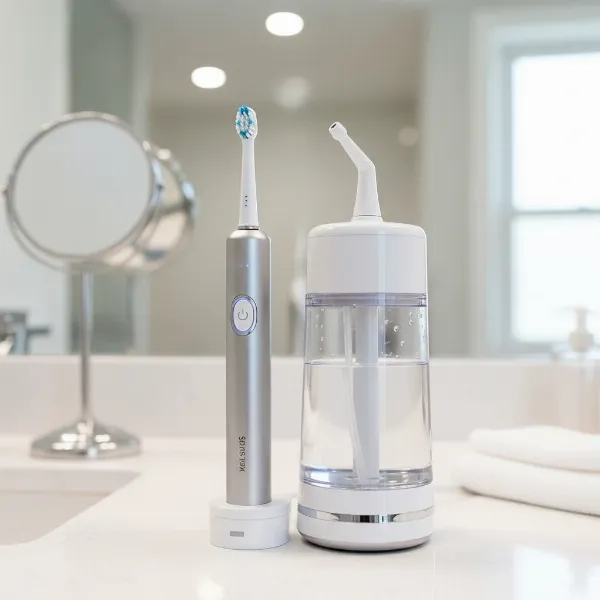 Comparing an electric toothbrush and a water flosser for comprehensive oral care
Water Flosser vs. Electric Toothbrush: Complementary Power
While both an electric toothbrush and a water flosser are powerful tools for oral hygiene, they serve distinct yet complementary roles. Understanding this difference is key to achieving truly comprehensive dental care.
Why They Are Not Substitutes
It’s a common misconception that one can fully replace the other. However, dental professionals universally agree that an electric toothbrush cannot replace a water flosser, and vice versa. An electric toothbrush excels at cleaning the surfaces of your teeth, effectively removing plaque and food particles from the enamel. On the other hand, a water flosser specializes in cleaning the spaces between your teeth and along the gumline—areas often inaccessible to even the most advanced toothbrush bristles. Both are crucial for different aspects of oral cleanliness.
The Power of Using Both
The real magic happens when you integrate both an electric toothbrush and a water flosser into your daily routine. This combination creates a synergistic effect, offering a level of cleanliness that neither device can achieve on its own. By combining surface cleaning with interdental and gumline irrigation, you achieve comprehensive oral hygiene that targets virtually all areas of your mouth. This leads to enhanced plaque reduction and optimal gum health, significantly reducing the risk of gingivitis, cavities, and bad breath. Many dentists and dental hygienists actively recommend the use of both devices, particularly emphasizing the water flosser as an effective adjunct to brushing.
Key Areas of Effectiveness Comparison Table
| Feature | Electric Toothbrush | Water Flosser |
|---|---|---|
| Primary Function | Brushing tooth surfaces | Interdental & gumline cleaning |
| Plaque Removal (Surface) | Excellent | Good (interdental only) |
| Gumline Cleaning | Good | Excellent |
| Between Teeth Cleaning | Limited | Excellent |
| Braces/Implants Friendly | Yes (specialized heads) | Excellent |
| Gentle for Sensitive Gums | Yes (sensitive modes) | Yes |
| Portability | Varies | Varies |
| Cost | Mid to High | Mid to High |
Choosing the Right Devices for Your Smile
Selecting the right electric toothbrush and water flosser involves considering your individual needs, preferences, and budget. With a myriad of options available, a thoughtful approach can ensure you pick tools that best support your oral health goals.
Factors to Consider for an Electric Toothbrush
When investing in an electric toothbrush, several factors should guide your decision:
- Budget: Electric toothbrushes range widely in price. Determine how much you are willing to spend, noting that mid-range models often offer excellent performance without premium costs.
- Type: Consider whether an oscillating/rotary, sonic, or ultrasonic brush best suits your sensitivity levels and cleaning preferences.
- Features: Look for desirable features such as a built-in two-minute timer with quadpacer (to ensure even brushing), a pressure sensor (to prevent over-brushing), and potentially smart connectivity for real-time feedback via an app.
- Brush Head Options: Check for the availability of different brush heads tailored for specific needs, such as sensitive gums, whitening, or orthodontic care.
- Brand Reputation and Warranty: Prioritize reputable brands known for durability and good customer support.
Factors to Consider for a Water Flosser
Choosing a water flosser also requires careful consideration to match it with your lifestyle and oral health requirements:
- Budget: Like electric toothbrushes, water flossers vary in price. Waterpik is a popular and dentist-recommended brand, but many other effective options exist.
- Type: Decide between a countertop model for consistent home use with a large reservoir or a cordless/portable model for travel and smaller bathrooms.
- Pressure Settings: Ensure the device offers adjustable pressure settings to accommodate sensitive gums or specific dental conditions.
- Reservoir Size: A larger reservoir means less frequent refilling during use, which can be a convenience factor for countertop models.
- Specialized Tips: Many water flossers come with various tips, including those for braces, periodontal pockets, or general cleaning.
- Brand Reputation and Reviews: Research user reviews and professional recommendations to find a reliable and effective device.
Maximizing Your Oral Health Routine
Having both an electric toothbrush and a water flosser is a significant step, but using them correctly and consistently is paramount to reaping their full benefits. Integrating them seamlessly into your daily regimen will transform your oral health.
Integrating Both Devices into Your Daily Routine
The most effective approach is to brush your teeth first with your electric toothbrush, and then follow with the water flosser. This sequence ensures that larger food particles and surface plaque are removed by brushing, allowing the water flosser to then thoroughly clean between teeth and along the gumline more effectively. Aim to use both devices daily, ideally morning and night, to maintain optimal cleanliness and prevent plaque buildup. Remember, consistency is key for long-term oral health.
Maintenance and Care
Proper maintenance extends the lifespan of your devices and ensures they remain hygienic and effective.
- Replacing Brush Heads and Water Flosser Tips: Electric toothbrush heads should typically be replaced every three months, or sooner if the bristles are frayed. Water flosser tips also need periodic replacement, usually every 3 to 6 months, depending on the type and usage.
- Cleaning Devices Regularly: Wipe down the body of your electric toothbrush and water flosser regularly. For water flossers, it’s also important to periodically clean the reservoir and internal components with a vinegar solution to prevent mineral buildup and bacterial growth.
- Charging and Storage: Follow manufacturer instructions for charging your devices. Store them in a clean, dry place, ideally upright, to allow them to air dry and prevent mold or mildew.
“Using both an electric toothbrush and a water flosser offers a comprehensive approach to oral care, addressing both surface cleaning and the critical areas between teeth and below the gumline. This combination is often what we recommend to our patients for truly superior results.” – Dr. Ava Chen, Leading Dental Specialist at Bright Smiles Clinic
Conclusion
In the pursuit of exceptional oral hygiene, the electric toothbrush and the water flosser emerge not as competitors, but as powerful allies. While an electric toothbrush meticulously cleans the surfaces of your teeth, providing unparalleled plaque removal and gum care, a water flosser excels at reaching the hidden crevices—between teeth, along the gumline, and around dental work—where traditional brushing often falls short.
The overwhelming consensus from dental professionals and extensive research is clear: you absolutely need both an electric toothbrush and a water flosser for the most comprehensive and effective oral care routine. Together, these two devices offer a formidable defense against plaque, gingivitis, and other common dental issues, leading to healthier gums, cleaner teeth, and a brighter, more confident smile. Investing in both is investing in the long-term health and beauty of your teeth. What steps will you take to elevate your dental care routine today?
Frequently Asked Questions
Can a Water Flosser Replace an Electric Toothbrush?
No, a water flosser cannot replace an electric toothbrush. They serve different primary functions: an electric toothbrush effectively cleans tooth surfaces, while a water flosser specializes in cleaning between teeth and along the gumline. Using both provides a more complete clean.
How Often Should I Use a Water Flosser if I Already Use an Electric Toothbrush?
For optimal oral health, you should use your water flosser daily, ideally after brushing with your electric toothbrush. This ensures that all surfaces and hard-to-reach areas of your mouth are thoroughly cleaned.
Are Water Flossers Recommended by Dentists?
Yes, many dental professionals highly recommend water flossers as an effective addition to daily brushing. They are particularly beneficial for individuals with braces, implants, bridges, or those prone to gum issues like gingivitis.
What are the main benefits of using an electric toothbrush?
The main benefits of using an electric toothbrush include superior plaque removal compared to manual brushes, improved gum health through gentle yet effective cleaning, built-in timers that ensure optimal brushing duration, and pressure sensors that prevent damage from over-brushing.
Is an electric toothbrush or a water flosser better for braces?
Both an electric toothbrush and a water flosser are beneficial for braces. An electric toothbrush helps clean the tooth surfaces around brackets, while a water flosser is exceptionally effective at flushing out food particles and plaque from around wires and brackets, where bristles struggle to reach.
What type of electric toothbrush is best for sensitive gums?
For sensitive gums, sonic or ultrasonic Electric Toothbrushes are often recommended. Look for models that offer “sensitive” cleaning modes and use soft-bristle brush heads to provide a gentle yet effective cleaning experience without causing irritation.