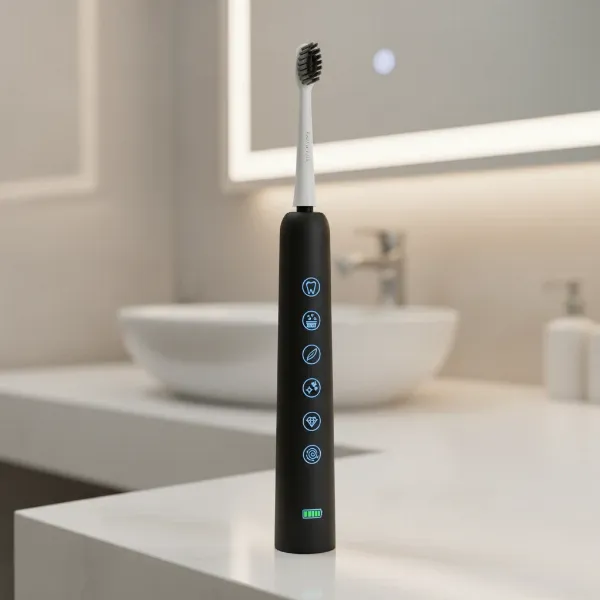
The quest for a brighter, healthier smile often leads us down a path lined with countless oral care products, none more prominent and diverse than the electric toothbrush. From sleek, feature-packed models costing hundreds of dollars to more modest, budget-friendly options, the price spectrum is vast. This wide range inevitably sparks a common question: Is a $200 electric toothbrush truly superior to a $50 one, or are we simply paying for bells and whistles? This article will delve into the core differences, advantages, and trade-offs between these two price points, helping you determine if a higher investment genuinely translates to a better brushing experience and optimal oral health.
What is an Electric Toothbrush?
An electric toothbrush is an oral hygiene device that uses rapid, automatic brush head motions to clean teeth and gums. Unlike manual toothbrushes, which rely entirely on user technique, electric models do the work for you, typically operating at speeds far exceeding what a human hand can achieve. Historically, electric toothbrushes emerged in the 1950s, evolving from basic vibrating brushes to today’s sophisticated devices. The market primarily features three types: oscillating-rotating (where the brush head rotates and pulsates), sonic (which vibrate at high frequencies to create fluid dynamics that clean beyond the bristles’ reach), and ultrasonic (the most advanced, using ultra-high frequency vibrations to disrupt plaque). Each type offers a distinct cleaning mechanism, contributing to the diverse range of models available.
The Remarkable Benefits of Electric Toothbrushes
Upgrading from a manual toothbrush to an electric one often brings about a noticeable improvement in oral hygiene. Electric toothbrushes are consistently proven to be more effective at removing plaque and reducing gingivitis than manual brushing. Their consistent, high-speed motions ensure a thorough clean across all tooth surfaces, reaching areas that might be missed with inconsistent manual technique. This superior cleaning prowess helps to improve gum health, reduce inflammation, and effectively eliminate the bacteria responsible for bad breath and cavities. Many users also experience enhanced stain removal, contributing to a brighter, whiter smile over time. Beyond the clinical benefits, electric toothbrushes offer remarkable convenience, especially for individuals with limited dexterity, making daily oral care easier and more efficient.
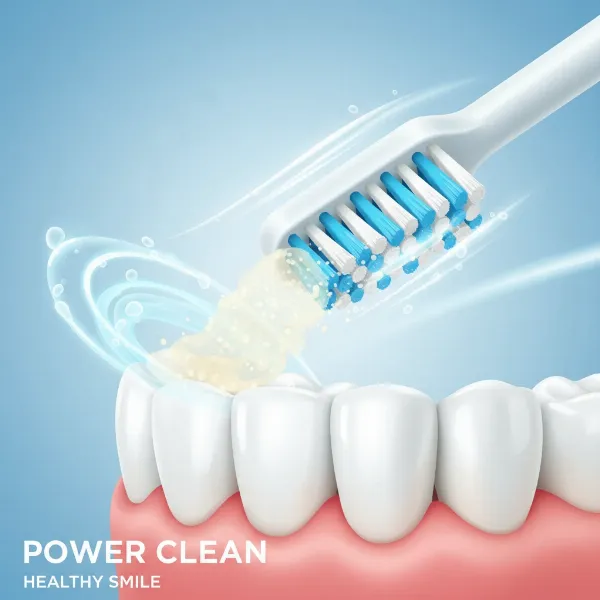 An electric toothbrush removing plaque from teeth, showing improved gum health and a brighter smile
Electric Toothbrush Categories: A Detailed Look
The world of electric toothbrushes can be broadly categorized by their primary cleaning mechanism, which often correlates with their price point and the features they offer. Understanding these types is crucial when comparing a $200 model to a $50 one, as the underlying technology plays a significant role in performance and user experience.
Oscillating/Rotating Electric Toothbrushes
|
Our Picks for the Best Electric Toothbrush in 2026
As an Amazon Associate I earn from qualifying purchases.
|
||
| Num | Product | Action |
|---|---|---|
| 1 | Oral-B Pro 1000 Rechargeable Electric Toothbrush, Black |

|
| 2 | Oral-B iO Simple Clean Rechargeable Electric Powered Toothbrush, Night Black with 1 Gentle Care Brush Head and 1 Black Travel Case - Automatic Pressure Sensor to Protect Gums - 3 Modes - 2 Min Timer |
|
| 3 | Oral-B iO Simple Clean Rechargeable Electric Powered Toothbrush, Pure White with 1 Gentle Care Brush Head and 1 White Travel Case - Automatic Pressure Sensor to Protect Gums - 3 Modes -2 Min Timer |
|
| 4 | Philips Sonicare 1100 Series Electric Toothbrush - Sonic Toothbrush with Advanced Sonic Technology, EasyStart, Smartimer & Quadpacer, White, Model HX3641/02 |
|
| 5 | Oral-B Pro 1000 Rechargeable Electric Toothbrush, White |
|
| 6 | COSLUS Sonic Electric Toothbrush for Adults C40(DY-108Pro): 47000 VPM for Deep Cleaning with Travel Case - 5 Modes for Sensitive Teeth & Brace, Wireless Charging, 6 Brush Heads for Family, Black (1PC) |
|
| 7 | Philips Sonicare 4100 Rechargeable Electric Toothbrush, Advanced Plaque Removal, Pressure Sensor, Includes Brush Head Case, White BD5002AZ |
|
| 8 | Onlyone Sonic Electric Toothbrush for Adults, Rechargeable Ultrasonic Electric Toothbrush with 8 Brush Heads, Travel Case, Charging Base & Wireless Charging - 5 Modes with Smart Timer |
|
| 9 | Philips Sonicare 4100 Series Electric Toothbrush - Sonic Toothbrush with Advanced Sonic Technology, Pressure Sensor, Two Intensity Settings, Smartimer & Quadpacer, Deep Pink, Model HX3681/26 |
|
| 10 | Philips Sonicare 2100 Series Electric Toothbrush - Sonic Toothbrush with Advanced Sonic Technology, Two Intensity Settings, Smartimer & Quadpacer, White, Model HX3661/04 |
|
These brushes feature a small, round head that oscillates back and forth and pulsates to break up and sweep away plaque. Often found at more budget-friendly price points, including many in the $50 range, they are highly effective for direct plaque removal. The main advantages include their widespread availability and often lower initial cost. However, some users might find the stronger vibrations or direct scrubbing sensation less comfortable compared to other types.
Sonic Electric Toothbrushes
Sonic toothbrushes utilize high-frequency vibrations to clean teeth. These vibrations create thousands of brush strokes per minute, generating dynamic fluid action that extends beyond the bristles to clean areas just beyond reach, like along the gumline and between teeth. Many mid-range to premium electric toothbrushes, including those approaching the $200 mark, fall into this category due to their gentle yet highly efficient cleaning. They often come equipped with multiple cleaning modes and can integrate smart features.
Ultrasonic Electric Toothbrushes
Representing the pinnacle of electric toothbrush technology, ultrasonic brushes operate at extremely high frequencies, producing vibrations that are often imperceptible to the human ear. These ultra-high frequency waves are designed to disrupt bacterial chains that form plaque, even without direct bristle contact. While offering the deepest and gentlest cleaning, ultrasonic toothbrushes are typically the most expensive, often well within the $200+ price bracket, and are less common in the general market.
$200 vs. $50 Electric Toothbrush: The Core Differences
The significant price difference between a $200 and a $50 electric toothbrush primarily boils down to advanced technology, premium materials, and a more comprehensive set of features designed to optimize your brushing routine. While both can offer an improvement over manual brushing, the higher-priced models aim to provide a superior, more personalized, and durable oral care experience.
A $50 electric toothbrush typically provides the essential benefits of electric brushing, delivering good plaque removal through consistent bristle movement. These models usually include a basic 2-minute timer to ensure adequate brushing time and might offer one or two cleaning modes. Their battery life is generally shorter, and the brush’s speed or intensity may reduce if not charged regularly. Constructed with simpler materials, their build quality is standard, offering functionality without extensive durability features or comprehensive warranties. These brushes are ideal for individuals seeking an affordable entry into electric oral care.
In contrast, a $200 electric toothbrush boasts a host of advanced features and superior craftsmanship. They often utilize higher strokes per minute and incorporate advanced bristle technology for a more thorough and gentle clean. Key enhancements include multiple cleaning modes (such as daily clean, sensitive, gum care, whitening, and tongue clean) to address specific oral health needs. Crucially, many premium models integrate pressure sensors that alert you if you’re brushing too hard, protecting your gums and enamel. They also feature quadrant timers, signaling when to move to a different section of your mouth every 30 seconds, ensuring even cleaning. Smart connectivity via Bluetooth and companion apps provides real-time feedback, personalized coaching, and often maps your mouth to highlight missed areas, transforming brushing into a guided experience. These high-end brushes are built with more durable, premium materials, leading to a longer lifespan and are frequently backed by extended warranties and robust customer support. Their battery life is significantly longer, maintaining optimal speed and power for several days on a single charge. For those seeking an optimized, personalized, and high-tech approach to oral care, the $200 models offer a compelling package.
> “While a $50 electric toothbrush provides foundational cleaning benefits, the incremental value of a $200 model lies in its ability to offer a more tailored, intelligent, and protective brushing experience through advanced sensor technology and personalized feedback.” – Dr. Elena Petrova, Leading Dental Hygienist
Comparing $200 vs. $50 Electric Toothbrushes: A Table
| Feature | $50 Electric Toothbrush | $200 Electric Toothbrush |
|---|---|---|
| Cleaning Power | Good (effective basic plaque removal) | Excellent (higher strokes, advanced bristle tech, precision) |
| Features | Basic 2-minute timer, 1-2 fundamental modes | Multiple modes, pressure sensor, quadrant timer, smart app/Bluetooth, travel case |
| Battery Life | Shorter, may see speed reduction with low charge | Longer (3+ days), consistent optimal speed throughout charge cycle |
| Build Quality | Standard, functional plastics | Premium materials, durable design, enhanced longevity |
| User Feedback/Guidance | Minimal (basic timer) | Extensive (pressure sensor, app maps, real-time coaching, missed area detection) |
| Design/Aesthetics | Simple, utilitarian | Sleek, ergonomic, premium finish, often with charging base and travel accessories |
| Warranty | Standard (typically 1 year) | Often extended (2-3 years or more), better customer support |
| Value Proposition | Effective, affordable electric cleaning | Optimized, personalized, high-tech oral care with enhanced protection and longevity |
How to Choose the Right Electric Toothbrush for You
Selecting the perfect electric toothbrush involves balancing your personal needs, budget, and desired features. The “best” toothbrush isn’t always the most expensive, but rather the one that best fits your lifestyle and oral health goals.
First, consider your budget. While a $200 toothbrush offers advanced features, it’s important to weigh that against the ongoing cost of replacement brush heads, which can vary significantly between brands and models. Next, think about your specific oral health needs. Do you have sensitive gums, braces, or particular concerns like heavy staining? Some brushes offer specialized modes or head types that cater to these issues. Evaluate the desired features: Are smart capabilities, pressure sensors, or multiple modes essential for you, or is effective basic cleaning sufficient? Always check the availability and cost of replacement brush heads, as these are a recurring expense that can impact the long-term value. Finally, prioritize brand reputation and warranty. Established brands often provide better reliability and customer support. Don’t forget to read reviews from other users to gain insights into real-world performance and durability.
Top Electric Toothbrushes: What to Look For in Each Category
When exploring the market, understanding what defines a good electric toothbrush within different price brackets can guide your choice.
For budget-friendly picks (around $50), focus on models that deliver strong core cleaning performance. Look for reliable battery life for the price point and essential features like a 2-minute timer. These brushes should effectively remove plaque and offer a noticeable upgrade from manual brushing without unnecessary frills.
In the mid-range options (around $100-$150), you can expect to find brushes that incorporate a few more advanced features. This might include a basic pressure sensor to prevent over-brushing, an additional cleaning mode or two (like sensitive or whitening), and potentially a more comfortable handle or slightly extended battery life. These models strike a balance between advanced features and affordability.
For premium selections (around $200 and above), the focus shifts to comprehensive features and advanced technology. Here, you’ll find top-tier smart connectivity with detailed app feedback, a wide array of specialized cleaning modes, highly responsive pressure sensors, and superior build quality with premium materials. These brushes are designed for those who want the most advanced, personalized, and data-driven approach to their oral hygiene, often including travel cases and long-lasting batteries.
Using Your Electric Toothbrush Correctly for Optimal Results
Possessing a state-of-the-art electric toothbrush is only half the battle; using it correctly is crucial for maximizing its benefits. Begin by properly charging your device and attaching the appropriate brush head firmly. When brushing, remember the key is to guide the brush, not scrub with it. Simply hold the brush head gently against each tooth, allowing the electric motions to do the work. Slowly move the brush from tooth to tooth, ensuring you cover all surfaces – outer, inner, and chewing.
Dentists generally recommend brushing for two full minutes, twice a day. Many electric toothbrushes come with a built-in timer, often with a 30-second quadrant timer that signals when to move to the next section of your mouth, ensuring an even clean. After brushing, rinse your brush head and allow it to air dry. Regularly clean the handle to prevent grime buildup. Most importantly, remember to replace your brush head every three months, or sooner if the bristles appear frayed, to maintain optimal cleaning efficacy and hygiene.
Where to Purchase an Electric Toothbrush
Electric toothbrushes are widely available through various retail channels, making them accessible to almost everyone. You can find a broad selection at major electronics stores, often with sales associates who can provide product demonstrations and answer questions. Large supermarkets and pharmacies also stock a range of models, typically focusing on more popular and mid-range options. For the widest selection, including niche brands and the latest high-end models, online retailers are an excellent resource, often providing competitive pricing and detailed product reviews. Some dental offices also carry specific brands or models that they recommend, sometimes at a discounted rate for their patients.
Conclusion
The question of whether a $200 electric toothbrush is truly better than a $50 one ultimately depends on your individual priorities and what you value in your oral care routine. A $50 electric toothbrush undoubtedly offers significant advantages over a manual brush, providing effective plaque removal and promoting better gum health through consistent, powerful cleaning. However, stepping up to a $200 model unlocks a suite of advanced features, including intelligent pressure sensors, multiple specialized cleaning modes, real-time feedback via smart apps, and often superior build quality with extended durability. These premium features contribute to a more personalized, protective, and potentially more effective brushing experience, guiding you towards optimal oral hygiene.
Ultimately, both price points can lead to a cleaner mouth, but the higher investment in an electric toothbrush provides enhanced technology and a more sophisticated user experience. Consider your budget, oral health needs, and desire for advanced features to make the best decision for your smile. What features do you value most in your oral care routine, and how do they influence your choice of an electric toothbrush?
Frequently Asked Questions
Is a $50 electric toothbrush effective enough for good oral hygiene?
Yes, a $50 electric toothbrush can be very effective for good oral hygiene. It provides the core benefits of electric brushing, such as superior plaque removal and consistent cleaning motions, which are significantly better than manual brushing. While it may lack advanced features, it still contributes to a healthier mouth when used correctly.
Do expensive electric toothbrushes last longer than cheaper ones?
Generally, expensive electric toothbrushes are designed with higher-quality materials and more durable motors, often leading to a longer lifespan. They also frequently come with better warranties and customer support, suggesting a higher expectation of longevity compared to their more budget-friendly counterparts.
Are smart features on electric toothbrushes really useful, or are they just a gimmick?
Smart features like pressure sensors, quadrant timers, and app connectivity can be genuinely useful. Pressure sensors prevent harmful over-brushing, while quadrant timers ensure you clean all areas evenly. Apps offer real-time feedback and personalized coaching, helping to refine your brushing technique and target missed spots, transforming brushing into a more informed process.
How often should I replace electric toothbrush heads, regardless of price?
Regardless of the toothbrush’s price, it is generally recommended to replace electric toothbrush heads every three months. This ensures optimal cleaning performance, as bristles can fray and become less effective over time. You should also replace the head sooner if the bristles are visibly worn or damaged.
Can an expensive electric toothbrush harm my gums if not used properly?
While expensive Electric Toothbrushes often include protective features like pressure sensors, improper technique can still potentially harm your gums. Brushing too aggressively or using a worn-out brush head can cause gum irritation or recession. Always guide the brush gently and listen to any pressure sensor warnings.