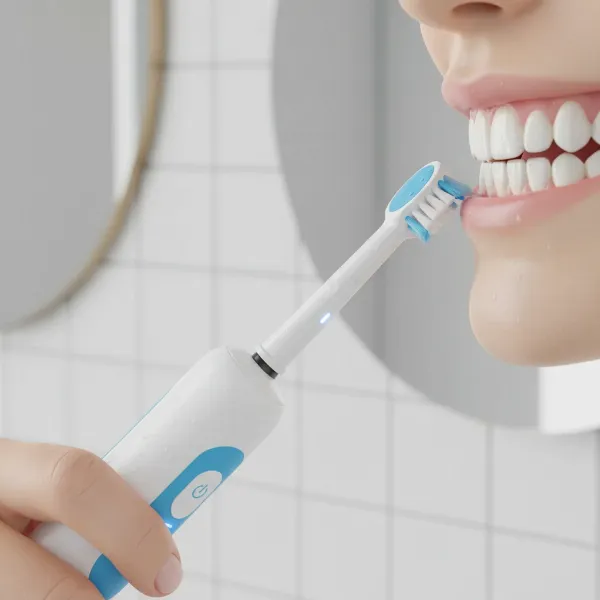
In a world increasingly saturated with high-tech gadgets, the dental hygiene market has seen a surge in electric toothbrushes offering myriad features. Amidst this complexity, the Quip electric toothbrush emerged with a distinctly minimalist approach, promising effective cleaning through elegant design and essential functionality. But does this streamlined philosophy translate to superior oral health, or is the Quip electric toothbrush simply too basic to compete with more advanced alternatives? This review will delve into the core aspects of the Quip, examining its design, technology, cleaning performance, and value to help you determine if its simplicity is truly its greatest asset or its ultimate downfall.
Understanding Electric Toothbrushes: A Brief Overview
Electric toothbrushes revolutionize oral care by using motor-driven movements to clean teeth more effectively than traditional manual brushing. While a manual brush relies entirely on your technique, an electric model provides consistent power and motion, often reaching areas a manual brush might miss. The evolution of these devices has led to several distinct types, each with a unique cleaning mechanism.
Historically, electric toothbrushes have advanced from basic oscillating movements to highly sophisticated sonic and even ultrasonic technologies. Today, the primary categories are:
- Oscillating-Rotating: Typified by brands like Oral-B, these brushes feature a small, round head that oscillates (spins back and forth) and pulsates (moves in and out). This action is designed to cup and physically scrub each tooth individually, offering a powerful, deep-clean sensation.
- Sonic: These brushes, including models from Philips Sonicare and Quip, use high-frequency vibrations that move the brush head from side to side. This creates a “dynamic fluid action,” agitating toothpaste and saliva into micro-bubbles that reach between teeth and below the gumline. Sonic brushes often have an elongated head shape, similar to a manual toothbrush.
- Ultrasonic: Representing the most advanced technology, ultrasonic toothbrushes vibrate at frequencies beyond the range of human hearing. These ultra-high vibrations are capable of breaking down plaque and bacteria chains, even without direct bristle contact, offering an incredibly deep clean.
The Core Benefits of Using an Electric Toothbrush
Transitioning to an electric toothbrush offers numerous advantages that can significantly enhance your daily oral hygiene routine. Beyond the convenience, these devices provide tangible benefits for cleaner teeth and healthier gums.
First, electric toothbrushes are renowned for their enhanced plaque removal capabilities. Studies consistently demonstrate that both oscillating-rotating and sonic models remove significantly more plaque than manual brushes, leading to a more thorough clean. This superior plaque removal is crucial in preventing cavities and gum disease.
Furthermore, many electric toothbrushes contribute to improved gum health by effectively cleaning along the gumline where plaque often accumulates. Models with gentle sonic vibrations, like Quip, can be particularly beneficial for individuals with sensitive gums, reducing irritation while still providing an effective clean.
For those concerned with aesthetics, electric toothbrushes also aid in stain removal and whitening support. Their efficient cleaning action can lift surface stains more effectively than manual brushing, contributing to a brighter, whiter smile over time.
One of the most valuable features is guided brushing through built-in timers and quad-pacers. Most electric toothbrushes come with a 2-minute timer, the duration recommended by dentists, and often pause every 30 seconds to signal when it’s time to move to a different quadrant of your mouth. This ensures you brush for the optimal duration and give equal attention to all areas.
Finally, electric toothbrushes offer a greater ease of use for many individuals, including those with dexterity issues or limited mobility, as the brush does most of the work. While some models, like Quip, still require a manual-like technique, the automated movements reduce the effort needed for an effective clean.
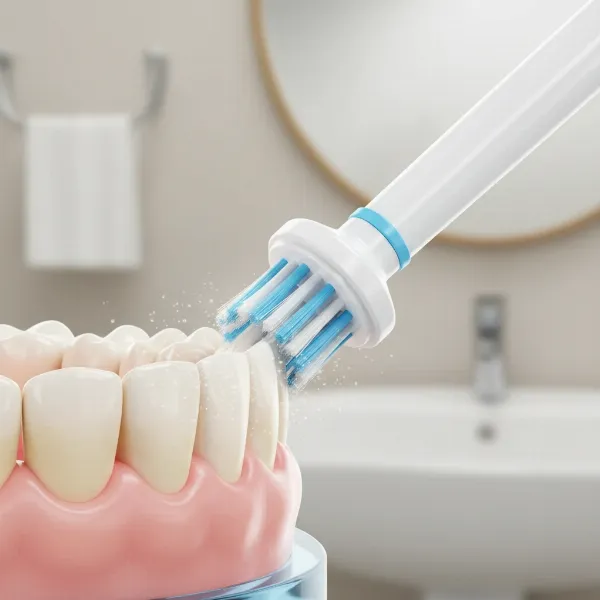 Electric toothbrush effectively removing plaque from teeth, demonstrating thorough oral cleaning.
Quip Electric Toothbrush: Design, Features, and Technology
The Quip electric toothbrush carves out a unique niche in the oral care market, primarily defined by its sleek design, gentle sonic vibrations, and a user-friendly subscription model. It aims to simplify the brushing experience without compromising essential care.
At its heart, Quip’s design and aesthetics are minimalist and highly functional. The brush boasts a slim, lightweight handle available in various materials, including plastic and more premium metals, and a range of colors. This aesthetic appeal means it looks good on any bathroom counter. A notable feature is its multi-purpose travel case, which doubles as a mirror or wall mount, making it exceptionally travel-friendly and a space-saver.
In terms of cleaning technology, Quip utilizes sonic vibrations. Unlike some powerful sonic brushes that generate over 30,000 vibrations per minute, Quip operates at approximately 15,000 VPM. This provides a gentler cleaning action, which can be a significant advantage for users with sensitive gums or those new to electric toothbrushes. However, this gentler vibration means that while it’s an upgrade from a manual brush, it requires a brushing technique more akin to traditional manual brushing – small, circular motions as you move the head from tooth to tooth.
Key features of the Quip electric toothbrush include a built-in 2-minute timer with 30-second quad-pacers. This ensures users adhere to dentist-recommended brushing times and cover all areas of the mouth evenly. The brush typically offers a single cleaning mode, reflecting its emphasis on simplicity. Its brush heads feature soft nylon bristles in an oval shape, similar to a manual brush, with a convenient tongue cleaner on the back. Replacement brush heads are designed for effortless changing every three months, a schedule easily maintained through Quip’s optional subscription service that delivers new heads (and batteries for non-rechargeable models) directly to your door.
Quip also provides flexibility with battery options. Customers can choose between models powered by a single AAA battery, which lasts about three months, or more recent versions featuring a built-in rechargeable battery, also offering approximately three months of use per charge. Rechargeable models come with a magnetic USB charging cable, further enhancing their travel convenience.
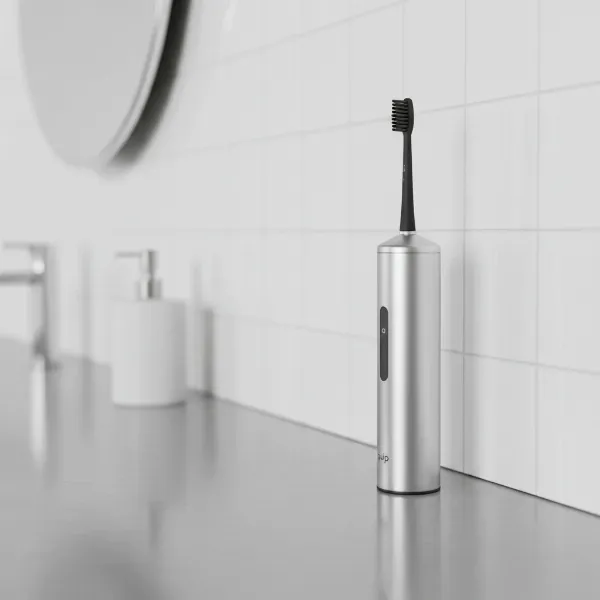 Sleek Quip electric toothbrush with its travel case, minimalist design on a modern bathroom counter.
Quip’s Performance: Simple, or Too Basic for Optimal Clean?
The central question surrounding the Quip electric toothbrush revolves around its core philosophy: does its celebrated simplicity deliver optimal cleaning, or does it leave users wanting more advanced features and a more powerful clean?
The “Simple” Advantage of the Quip is undeniable. Its minimalist design is sleek, lightweight, and genuinely travel-friendly, appealing to those who dislike bulky gadgets. The gentle sonic vibrations make it an excellent choice for individuals with sensitive gums or those transitioning from a manual toothbrush who might find more powerful electric brushes too intense. The built-in 2-minute timer and 30-second pacer are effective tools for fostering good brushing habits, ensuring users meet the recommended brushing duration. Additionally, its quiet operation is a welcome relief compared to the sometimes louder hum or buzz of other electric models. The subscription service for brush heads and batteries adds a layer of convenience, eliminating the need to remember replacements. The fact that Quip is American Dental Association (ADA) accepted provides peace of mind that it meets basic efficacy standards.
However, Quip’s simplicity also presents “Too Basic” Disadvantages for many. The most significant point of contention is its weaker cleaning power compared to leading electric toothbrushes from brands like Philips Sonicare and Oral-B. With approximately 15,000 vibrations per minute, it falls short of Sonicare’s 30,000+ VPM or Oral-B’s aggressive oscillating-rotating action. This often means users need to employ a manual brushing technique (small circular motions) rather than simply guiding the brush, which can feel less like an “electric” clean and more like a “boosted manual” experience. Consequently, many users report not achieving the “dentist-clean” feeling associated with more powerful brushes.
Furthermore, Quip notably lacks advanced features that have become standard on many electric toothbrushes. There is no pressure sensor, a crucial safeguard that alerts users if they are brushing too hard and potentially damaging their gums or tooth enamel. It also offers only a single cleaning mode, limiting customization for different needs like sensitive areas or whitening. For non-smart models, there’s no battery status feedback, leaving users guessing when a battery replacement or recharge is due. While its oval brush head is familiar, some find it less effective for navigating tight spots at the back of the mouth compared to the smaller, round heads of oscillating-rotating brushes.
Ultimately, while Quip effectively encourages good brushing habits through its timer and pacer, its cleaning performance and feature set are best suited for those prioritizing design, travel convenience, and a gentle clean over the intense plaque removal and advanced functionalities offered by its more powerful competitors.
Quip vs. The Competition: Sonicare and Oral-B
When evaluating the Quip electric toothbrush, it’s essential to compare it against the established giants in the market: Philips Sonicare and Oral-B. Each brand offers a distinct approach to oral hygiene, catering to different user preferences and needs.
| Feature | Quip Electric Toothbrush | Philips Sonicare Electric Toothbrush | Oral-B Electric Toothbrush |
|---|---|---|---|
| Cleaning Action | Gentle Sonic (approx. 15,000 VPM) | Powerful Sonic (30,000+ VPM) | Oscillating-Rotating & Pulsating |
| Design | Slim, minimalist, lightweight, travel-friendly | Ergonomic, often sleek, varied designs | Robust, sometimes bulkier, small round head |
| Key Features | Timer, pacer, subscription, simple | Timer, pacer, pressure sensor, multiple modes, smart features (higher end) | Timer, pacer, pressure sensor, multiple modes, smart features (higher end) |
| Cleaning Feel | “Boosted manual,” gentle | Powerful sweeping, dynamic fluid action | Aggressive scrubbing, “dentist clean” feel |
| Battery Life | ~3 months (AAA or rechargeable) | Varies, often 2-3 weeks (rechargeable) | Varies, often 1-2 weeks (rechargeable) |
| Price Point | Entry-level to mid-range | Mid-range to premium | Entry-level to premium |
| Target User | Manual converts, travelers, design-focused, sensitive gums | Tech-savvy, sensitive gums, comprehensive clean | Plaque removal, deep clean, traditionalists |
Quip excels in simplicity and design, making it highly appealing for those transitioning from manual brushes or frequent travelers. Its gentle sonic vibrations are well-suited for sensitive gums. However, its cleaning power is less intense compared to Sonicare, which uses higher VPM for more dynamic fluid action, or Oral-B, with its unique oscillating-rotating motion, widely praised for plaque removal.
Philips Sonicare often appeals to users seeking a premium, feature-rich sonic experience with potent plaque removal and various modes for specific needs. It’s frequently recommended for sensitive gums due to its less mechanically abrasive sonic technology while still delivering a powerful clean.
Oral-B is a powerhouse for plaque removal, often recommended by dentists globally. Its distinct oscillating-rotating action provides an intense, polishing sensation that many describe as a “dentist-clean” feeling. Most Oral-B models include a visible pressure sensor, a vital feature absent in basic Quip models, which helps prevent over-brushing.
While Quip’s subscription model offers unmatched convenience for brush head replacements, both Sonicare and Oral-B have also introduced their own subscription options. Ultimately, the choice among these three depends on whether your priority is Quip’s minimalist design and gentle cleaning, Sonicare’s advanced sonic power, or Oral-B’s robust oscillating-rotating effectiveness.
Choosing Your Ideal Electric Toothbrush: Is Quip Right for You?
Deciding whether the Quip electric toothbrush is the right choice for you involves a careful evaluation of your personal oral care priorities and lifestyle. No single electric toothbrush suits everyone, and Quip, with its unique blend of features and philosophy, is no exception.
First, consider your priorities. If your budget is a primary concern, Quip’s entry-level models offer an affordable gateway into electric brushing, with reasonable long-term ownership costs, especially with its subscription service. However, if you prioritize raw cleaning power and that “just-left-the-dentist” feeling, Quip’s gentler sonic vibrations might leave you underwhelmed compared to more vigorous options from Sonicare or Oral-B.
The importance of advanced features also plays a crucial role. If you have a tendency to brush too hard or have sensitive gums, the absence of a pressure sensor on basic Quip models could be a significant drawback. Similarly, if you desire multiple brushing modes (e.g., for whitening, gum care, or extra sensitivity), Quip’s single mode might feel too limiting.
Your travel habits are another key factor. Quip’s slim, lightweight design and integrated travel case/mount make it an undeniable winner for frequent travelers who value portability and convenience. For those prioritizing aesthetic preferences, Quip’s sleek, minimalist design is often a major draw, offering a less bulky and more stylish presence on the bathroom counter. Finally, if you appreciate the convenience of a subscription service that automates brush head and battery replacements, Quip’s model is designed to simplify this aspect of oral care.
Who Quip is Best For:
- First-time electric toothbrush users: Its gentle action and straightforward features make it an ideal entry point for those intimidated by more powerful or complex electric models.
- Frequent travelers: The compact design and integrated travel case are perfectly suited for on-the-go oral hygiene.
- Individuals with sensitive gums: The softer sonic vibrations provide effective cleaning without being overly abrasive.
- Design-conscious minimalists: For those who value aesthetics and simplicity, Quip offers a stylish solution.
- Anyone seeking habit formation: The built-in timer and pacer are excellent for encouraging consistent, dentist-recommended brushing habits.
If, however, you’re accustomed to a powerful clean, require advanced features like pressure sensors or multiple modes, or want the most aggressive plaque removal, you might find Quip to be too basic for your needs.
Getting the Most Out of Your Quip Electric Toothbrush
To maximize the effectiveness of your Quip electric toothbrush and ensure optimal oral health, adopting the correct brushing technique and adhering to proper maintenance routines are essential.
Despite its electric nature, using a Quip toothbrush often requires a technique more similar to manual brushing, given its gentler vibrations. For proper brushing technique, start by applying a pea-sized amount of toothpaste to the soft nylon bristles. Place the brush against your teeth at a 45-degree angle towards the gumline. Instead of scrubbing vigorously, gently guide the brush from tooth to tooth, allowing the sonic vibrations to do their work. Make small, circular motions as you move the brush head across each tooth surface. The built-in 30-second quad-pacer will signal when it’s time to move to the next section of your mouth (upper right, upper left, lower right, lower left), ensuring you dedicate sufficient time to each area. Continue this process until the 2-minute timer automatically turns the brush off, indicating you’ve completed the recommended brushing duration.
Maintenance and head replacement are straightforward but crucial for hygiene and effectiveness. After each use, thoroughly rinse the brush head and the handle under running water to remove any toothpaste residue and debris. Store your Quip brush upright, ideally in its multi-purpose travel case/mount, to allow it to air dry properly and prevent bacterial growth. The most important maintenance step is replacing the brush head every three months, or sooner if the bristles show signs of fraying. Worn bristles lose their cleaning efficacy and can harbor bacteria. Quip’s convenient subscription service automates this process by delivering fresh brush heads directly to your door right when they’re needed.
For battery management, if you have an AAA battery-powered Quip, you’ll receive a new battery with your brush head refill every three months, simplifying replacements. For rechargeable models, simply plug in the magnetic USB charging cable as needed. While non-smart models lack a battery status indicator, the consistent 3-month battery life provides a reliable expectation for when a charge is necessary.
By consistently following these guidelines, your Quip electric toothbrush can be an effective tool in maintaining excellent oral hygiene, balancing simplicity with the fundamental requirements for healthy teeth and gums.
Conclusion
The Quip electric toothbrush stands out in a crowded market by championing simplicity, sleek design, and convenient habit formation. It carves a unique niche for itself, acting as an excellent bridge for manual brush users looking to upgrade to electric oral care without the intimidation of overly powerful or feature-laden devices. Its minimalist aesthetic, lightweight profile, and innovative travel case make it incredibly user-friendly and an ideal companion for those with a mobile lifestyle. The integrated timer and quad-pacer are invaluable for developing consistent, dentist-recommended brushing habits, and the subscription model ensures you always have a fresh brush head and battery when needed.
However, Quip’s very strengths in simplicity can also be its limitations. Its gentler sonic vibrations, while suitable for sensitive gums, may not deliver the intense “dentist-clean” feeling or the aggressive plaque removal capabilities of higher-powered sonic toothbrushes like Philips Sonicare or oscillating-rotating models from Oral-B. The absence of a pressure sensor and multiple cleaning modes means it foregoes advanced features that many consider essential for personalized and protective oral care.
Ultimately, the Quip electric toothbrush is a strong contender for those who prioritize design, convenience, gentle cleaning, and habit building. It’s a fantastic starting point for electric brushing, particularly for those transitioning from manual toothbrushes or frequent travelers. Yet, for individuals seeking the most powerful clean, extensive features, or targeted gum protection, more advanced options may offer greater benefits. Your choice hinges on matching your personal oral health goals and lifestyle to Quip’s unique blend of “simple yet sufficient” technology.
What matters most in your daily oral hygiene routine?
Frequently Asked Questions
Is Quip ADA accepted?
|
Our Picks for the Best Electric Toothbrush in 2026
As an Amazon Associate I earn from qualifying purchases.
|
||
| Num | Product | Action |
|---|---|---|
| 1 | Philips Sonicare 1100 Series Electric Toothbrush - Sonic Toothbrush with Advanced Sonic Technology, EasyStart, Smartimer & Quadpacer, White, Model HX3641/02 |

|
| 2 | Oral-B iO Simple Clean Rechargeable Electric Powered Toothbrush, Night Black with 1 Gentle Care Brush Head and 1 Black Travel Case - Automatic Pressure Sensor to Protect Gums - 3 Modes - 2 Min Timer |
|
| 3 | Philips Sonicare 4100 Rechargeable Electric Toothbrush, Advanced Plaque Removal, Pressure Sensor, Includes Brush Head Case, White BD5002AZ |
|
| 4 | Philips Sonicare 4100 Series Electric Toothbrush - Sonic Toothbrush with Advanced Sonic Technology, Pressure Sensor, Two Intensity Settings, Smartimer & Quadpacer, Deep Pink, Model HX3681/26 |
|
| 5 | Oral-B iO Simple Clean Rechargeable Electric Powered Toothbrush, Pure White with 1 Gentle Care Brush Head and 1 White Travel Case - Automatic Pressure Sensor to Protect Gums - 3 Modes -2 Min Timer |
|
| 6 | Onlyone Sonic Electric Toothbrush for Adults, Rechargeable Ultrasonic Electric Toothbrush with 8 Brush Heads, Travel Case, Charging Base & Wireless Charging - 5 Modes with Smart Timer |
|
| 7 | Oral-B Pro 1000 Rechargeable Electric Toothbrush, White |
|
| 8 | Oral-B Pro 1000 Rechargeable Electric Toothbrush, Black |
|
| 9 | Philips Sonicare 2100 Series Electric Toothbrush - Sonic Toothbrush with Advanced Sonic Technology, Two Intensity Settings, Smartimer & Quadpacer, White, Model HX3661/04 |
|
| 10 | COSLUS Sonic Electric Toothbrush for Adults C40(DY-108Pro): 47000 VPM for Deep Cleaning with Travel Case - 5 Modes for Sensitive Teeth & Brace, Wireless Charging, 6 Brush Heads for Family, Black (1PC) |
|
Yes, the Quip electric toothbrush has received the American Dental Association (ADA) Seal of Acceptance, assuring consumers that it meets their efficacy and safety standards for plaque removal and overall oral health.
Does Quip have a pressure sensor?
No, most standard Quip electric toothbrush models do not feature a pressure sensor. This means the brush will not alert you if you are applying too much force while brushing, a feature commonly found in more advanced electric toothbrushes to protect gums and teeth from damage.
How often should I change my Quip brush head?
It is recommended to replace your Quip brush head every three months, or sooner if the bristles appear frayed or worn. Quip’s subscription service is designed to automatically send you a new brush head at this interval to ensure optimal cleaning performance.
What’s the difference between Quip’s battery and rechargeable models?
Quip offers models powered by a single AAA battery and others with a built-in rechargeable lithium-ion battery. Both typically provide about three months of use per battery/charge. The AAA battery models are replaced entirely with the subscription, while rechargeable models come with a magnetic USB cable for convenient charging.
Is Quip good for sensitive teeth/gums?
Yes, the Quip electric toothbrush uses gentle sonic vibrations, which many users with sensitive teeth and gums find more comfortable than the more vigorous cleaning action of some other Electric Toothbrushes. Its soft nylon bristles are also designed to be gentle on oral tissues.
Does Quip offer real-time brushing feedback?
Standard Quip models do not offer real-time brushing feedback during your brushing session. However, some “Smart” Quip models connect to a smartphone app via Bluetooth, which can track brushing duration, stroke count, intensity, and coverage after your session, providing insights for improvement.