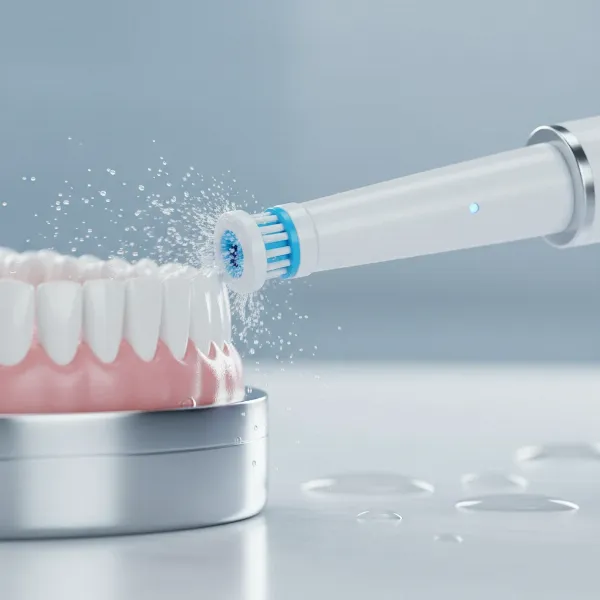
We all strive for a sparkling, healthy smile, diligently brushing our teeth twice a day. However, in our quest for optimal oral hygiene, it’s surprisingly easy to fall into the trap of overbrushing. This common mistake, driven by the well-intentioned belief that harder or longer brushing equals cleaner teeth, can silently erode the very foundations of your oral health: your tooth enamel. Understanding how to brush effectively yet gently is paramount to protecting this vital outer layer and ensuring your smile remains strong and radiant for years to come.
What is Overbrushing and Why Does it Matter?
Overbrushing occurs when you apply excessive force, brush for too long, or too frequently, going beyond the recommended twice-daily, two-minute routine. This seemingly harmless habit can have profound and irreversible consequences. Your tooth enamel, the hardest substance in the human body, forms a crucial protective barrier over the sensitive inner layers of your teeth. While incredibly strong, it is not impervious to damage. Once enamel wears away, it cannot naturally regenerate. This makes protecting your enamel not just about aesthetics, but about preserving the structural integrity and longevity of your teeth.
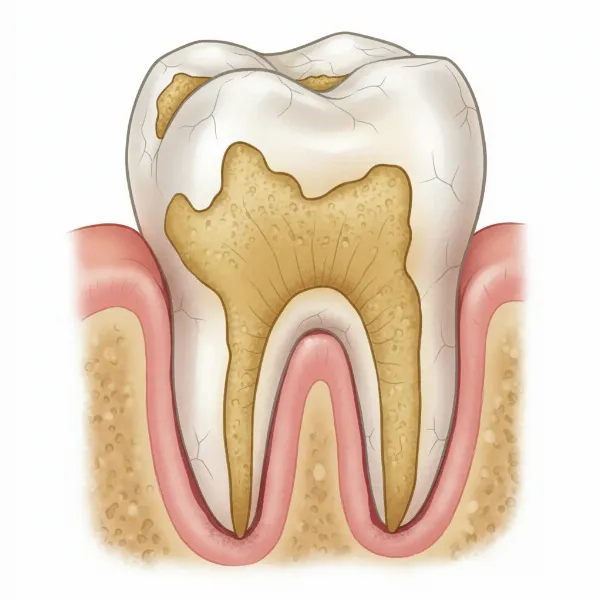 Close-up of a damaged tooth showing eroded enamel and exposed dentin, with receding gums.
Common Signs You’re Overbrushing Your Teeth
Many individuals overbrush without even realizing it. Because brushing becomes such an ingrained habit, it’s easy to miss the subtle indicators that your technique might be too aggressive. Recognizing these signs early is key to preventing further damage:
- Gum Recession: One of the most common and visible signs is when your gums begin to pull away from your teeth, making your teeth appear longer. This exposes the vulnerable tooth roots.
- Tooth Sensitivity: If you experience discomfort or a sharp pain when consuming hot, cold, sweet, or sour foods and drinks, it could be a sign that your enamel has worn down, exposing the sensitive dentin layer beneath.
- Yellowish Teeth or Dull Appearance: As enamel erodes, the underlying dentin, which has a naturally yellowish hue, becomes more visible, making your teeth appear less white or dull.
- Frayed Toothbrush Bristles: If your toothbrush bristles splay out or look worn and battered long before the recommended replacement period of three to four months, it’s a strong indicator that you’re applying too much pressure.
- Dental Abrasion or Notching: You might notice worn, shiny spots, or distinctive wedge-shaped indentations (notches) near the gumline on your teeth. These are physical signs of mechanical wear.
- Bleeding or Swollen Gums: While often associated with gum disease, vigorously brushing can also cause immediate trauma, leading to red, swollen, or bleeding gums after brushing.
- Cavities Along the Gum Line: Paradoxically, despite diligent brushing, overbrushing can wear away enamel near the gums, making these areas highly susceptible to decay.
The Damaging Effects of Overbrushing on Your Oral Health
The repercussions of overbrushing extend far beyond cosmetic concerns, impacting the fundamental health and function of your teeth and gums.
- Enamel Erosion and Loss: The primary and most concerning effect is the irreversible wearing away of your tooth enamel. This thins the protective layer, making your teeth weaker and more vulnerable.
- Exposed Dentin and Increased Sensitivity: Once enamel is gone, the dentin, a softer and more porous layer, becomes exposed. Dentin contains thousands of microscopic tubules that lead directly to the tooth’s nerve, resulting in heightened sensitivity and pain.
- Gum Recession and Root Exposure: Persistent aggressive brushing can cause your gum tissue to recede significantly. This exposes the tooth roots, which are covered by a softer material called cementum, making them even more prone to sensitivity, decay, and damage than the enamel-covered crown. Unfortunately, once gums recede, they typically do not grow back naturally.
- Increased Risk of Cavities and Gum Disease: With compromised enamel and exposed roots, your teeth become an easier target for acid attacks from bacteria, leading to a higher incidence of cavities. Receding gums also create pockets where bacteria can accumulate, elevating your risk for gingivitis and more advanced gum disease (periodontitis).
- Potential Need for Extensive Dental Treatments: In severe cases, the damage from overbrushing can necessitate costly and invasive dental procedures like fillings, root canals, bonding, or even gum surgery to address lost tissue and protect exposed roots.
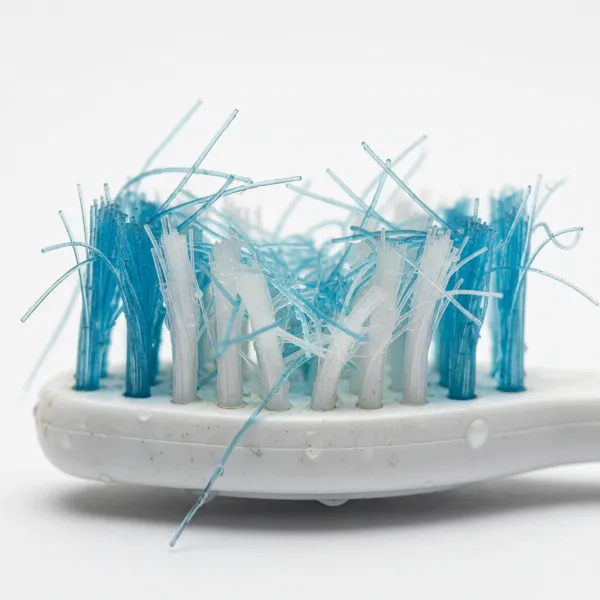 Close-up of a toothbrush with badly splayed and worn-out bristles, indicating aggressive brushing habits.
Mastering the Art of Gentle Brushing: Techniques to Protect Enamel
The good news is that preventing overbrushing and protecting your enamel is entirely within your control. It starts with adopting the right tools and mastering proper brushing techniques.
Choosing the Right Tools
The effectiveness of your brushing routine relies heavily on the instruments you use.
- Soft-Bristled Toothbrushes: Always opt for a soft-bristled toothbrush. Many people mistakenly believe that harder bristles clean better, but they are far more likely to cause damage to enamel and gums without offering any additional cleaning benefits for plaque removal.
- Electric Toothbrushes with Pressure Sensors: For those prone to brushing too hard, an electric toothbrush can be a game-changer. Many models come equipped with pressure sensors that alert you (via a light, sound, or vibration) when you’re applying excessive force. Oscillating-rotating and sonic electric toothbrushes are highly effective at cleaning with minimal pressure.
- Fluoride and Remineralizing Toothpaste: Select a toothpaste that contains fluoride, as it actively strengthens enamel and helps to make teeth more resistant to acid attacks. Some toothpastes also contain ingredients designed to remineralize early enamel wear and alleviate sensitivity.
|
Our Picks for the Best Electric Toothbrush in 2026
As an Amazon Associate I earn from qualifying purchases.
|
||
| Num | Product | Action |
|---|---|---|
| 1 | Oral-B Pro 1000 Rechargeable Electric Toothbrush, Black |

|
| 2 | Philips Sonicare 2100 Series Electric Toothbrush - Sonic Toothbrush with Advanced Sonic Technology, Two Intensity Settings, Smartimer & Quadpacer, White, Model HX3661/04 |
|
| 3 | Philips Sonicare 1100 Series Electric Toothbrush - Sonic Toothbrush with Advanced Sonic Technology, EasyStart, Smartimer & Quadpacer, White, Model HX3641/02 |
|
| 4 | Philips Sonicare 4100 Rechargeable Electric Toothbrush, Advanced Plaque Removal, Pressure Sensor, Includes Brush Head Case, White BD5002AZ |
|
| 5 | Oral-B iO Simple Clean Rechargeable Electric Powered Toothbrush, Night Black with 1 Gentle Care Brush Head and 1 Black Travel Case - Automatic Pressure Sensor to Protect Gums - 3 Modes - 2 Min Timer |
|
| 6 | Philips Sonicare 4100 Series Electric Toothbrush - Sonic Toothbrush with Advanced Sonic Technology, Pressure Sensor, Two Intensity Settings, Smartimer & Quadpacer, Deep Pink, Model HX3681/26 |
|
| 7 | Onlyone Sonic Electric Toothbrush for Adults, Rechargeable Ultrasonic Electric Toothbrush with 8 Brush Heads, Travel Case, Charging Base & Wireless Charging - 5 Modes with Smart Timer |
|
| 8 | Oral-B iO Simple Clean Rechargeable Electric Powered Toothbrush, Pure White with 1 Gentle Care Brush Head and 1 White Travel Case - Automatic Pressure Sensor to Protect Gums - 3 Modes -2 Min Timer |
|
| 9 | Oral-B Pro 1000 Rechargeable Electric Toothbrush, White |
|
| 10 | COSLUS Sonic Electric Toothbrush for Adults C40(DY-108Pro): 47000 VPM for Deep Cleaning with Travel Case - 5 Modes for Sensitive Teeth & Brace, Wireless Charging, 6 Brush Heads for Family, Black (1PC) |
|
The Proper Brushing Technique (Modified Bass Method)
Forget the aggressive scrubbing motions you might have used in the past. The Modified Bass Technique is widely recommended by dental professionals for its efficacy in cleaning the gumline and tooth surfaces without causing harm.
- Angle is Everything: Hold your toothbrush at a 45-degree angle to your gumline, pointing the bristles slightly towards where the teeth and gums meet. This angle allows the bristles to clean effectively along and just beneath the gum margin where plaque often accumulates.
- Gentle Motion, Not Force: Instead of scrubbing back and forth vigorously, use short, gentle circular or jiggling motions. Think of it as massaging your teeth and gums rather than scrubbing them. Apply just enough pressure to feel the bristles against your teeth and gums—imagine cleaning a ripe tomato without breaking its skin.
- Systematic Coverage: Work your way around your mouth, cleaning all surfaces of each tooth: the outer surfaces, the inner surfaces, and the chewing surfaces. For the inside surfaces of your front teeth, hold the brush vertically and use several up-and-down strokes. Don’t forget to gently brush your tongue to remove bacteria and freshen breath.
- Commit to the Time: Dedicate a full two minutes to brushing, twice a day. Many electric toothbrushes have built-in timers that pulse every 30 seconds, guiding you to move to a new quadrant of your mouth, ensuring comprehensive coverage.
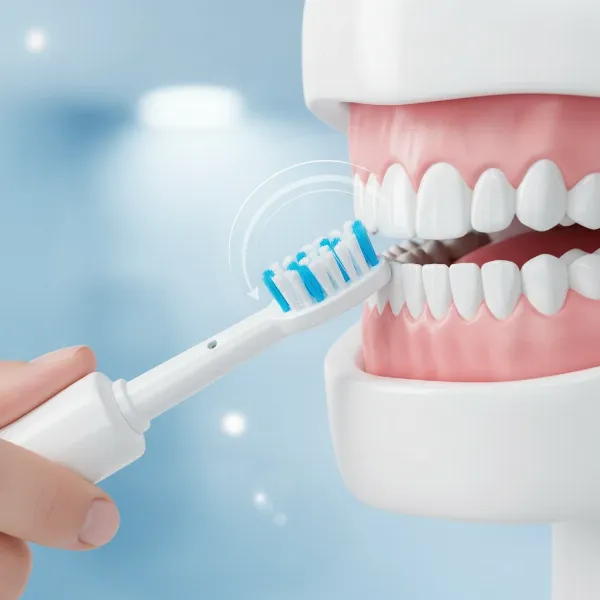 Person demonstrating proper electric toothbrush technique on teeth and gumline.
Timing Your Brushing
Beyond technique, when you brush can also play a role in enamel protection. After consuming acidic foods or drinks (like citrus fruits, sodas, or wine), your tooth enamel temporarily softens. Brushing immediately afterward can inadvertently scrub away this softened enamel. It’s advisable to wait at least 30 to 60 minutes after acidic intake before brushing to allow your saliva to naturally neutralize the acids and reharden your enamel. Rinsing with water after acidic consumption can also help.
Beyond Brushing: Holistic Approaches to Enamel Protection
Protecting your enamel is a comprehensive effort that extends beyond your brushing routine. Incorporating these practices can further safeguard your teeth:
- Dietary Considerations: Limit your intake of highly acidic foods and drinks, as they contribute significantly to enamel erosion. If you do consume them, try to do so during meals to minimize their direct contact with your teeth and rinse your mouth with water afterward.
- Stay Hydrated with Water: Drinking plenty of water helps to wash away food particles and bacteria, and it promotes saliva production, which is crucial for neutralizing acids and remineralizing enamel.
- Avoid Using Teeth as Tools: Resist the urge to use your teeth to open packages, bite nails, or chew on ice. These habits can lead to chips, cracks, and gradual enamel wear.
- Addressing Bruxism (Teeth Grinding): If you grind or clench your teeth, especially at night, the constant pressure can wear down enamel over time. Consult your dentist for solutions such as a nightguard.
- Regular Dental Check-ups: Consistent visits to your dentist and dental hygienist are vital. They can assess your enamel health, provide personalized brushing instructions, and offer professional fluoride treatments if needed to strengthen your teeth.
“The subtle act of brushing too hard can be more detrimental to your long-term oral health than not brushing enough. Gentle, precise movements are the true hallmarks of a healthy brushing routine, ensuring longevity for your enamel and gums.” – Dr. Alistair Finch, Leading Dental Health Educator
Conclusion
The pursuit of a clean mouth is commendable, but the path to lasting oral health requires a mindful approach to brushing. Overbrushing, an often-unintentional habit, can silently chip away at your protective tooth enamel and lead to a cascade of dental problems, from heightened sensitivity to gum recession. By embracing a soft-bristled toothbrush, mastering gentle yet effective techniques like the Modified Bass Method, and being mindful of brushing timing and dietary choices, you empower yourself to protect your enamel. Remember, the goal is to clean your teeth, not scrub them into submission. What small change will you make today to nurture your enamel and secure a healthier smile for tomorrow?
Frequently Asked Questions
How long does it take for enamel to erode from overbrushing?
Enamel erosion from overbrushing is a gradual process that can take months or even years of consistent aggressive brushing to become noticeable. The exact timeline varies depending on individual habits, diet, and enamel strength, but sustained harsh pressure will inevitably lead to wear over time.
Can an electric toothbrush prevent enamel damage from overbrushing?
Yes, many modern Electric Toothbrushes are designed with features like built-in pressure sensors and timers that can significantly help prevent enamel damage from overbrushing. These sensors alert you when you’re brushing too hard, encouraging a gentler, more effective cleaning action, while timers ensure you brush for the recommended two minutes.
Is it possible to reverse enamel damage caused by overbrushing?
Once tooth enamel is lost due to overbrushing or other forms of erosion, it cannot naturally grow back or be reversed. However, dentists can sometimes perform restorative treatments like bonding, crowns, or veneers to protect exposed areas and restore tooth structure. Fluoride treatments and specialized toothpastes can also help remineralize and strengthen existing enamel, making it more resistant to future wear.