Let’s be honest, trying to maneuver a bulky toothbrush in a small mouth can feel like trying to park a bus in a compact car spot. It’s awkward, uncomfortable, and you’re pretty sure you’re missing a few spots. If this sounds familiar, you know that finding the Best Electric Toothbrush For A Small Mouth is more than just a matter of comfort—it’s about achieving a truly effective clean. Many standard electric toothbrushes are designed with a “one-size-fits-all” mentality, which can leave those of us with smaller jaws struggling to reach back molars and clean along the gumline without triggering a gag reflex. But don’t worry, the perfect fit is out there, and this guide will help you find it.
Why Bother with an Electric Toothbrush Anyway?
You might be wondering if it’s worth making the switch from your trusty manual brush. The short answer is a resounding yes. While a manual toothbrush can get the job done with perfect technique, an electric toothbrush does most of the hard work for you, offering a superior and more consistent clean.
- Plaque Annihilation: Clinical studies consistently show that electric toothbrushes, particularly oscillating-rotating models, can remove up to 100% more plaque than a manual toothbrush.
- Built-in Best Practices: Most electric toothbrushes come with features that enforce good brushing habits, like a two-minute timer to ensure you’re brushing for the dentist-recommended time.
- Gum Protection: It’s easy to brush too hard with a manual brush, which can lead to gum recession. Many electric models feature a pressure sensor that alerts you when you’re applying too much force.
- Reaching the Unreachable: The high-speed movements of the bristles can clean areas your manual brush might miss, especially between teeth and along the gumline.
What Makes an Electric Toothbrush Great for a Small Mouth?
When you’re searching for the best electric toothbrush for a small mouth, a few specific design elements become non-negotiable. It’s not just about the brand; it’s about the engineering.
The Brush Head is Everything
The single most important factor is the size and shape of the brush head. A large, rectangular head is your enemy. You should look for:
- Compact or Small Heads: Many brands offer “compact” or “sensitive” replacement heads that are noticeably smaller than their standard versions.
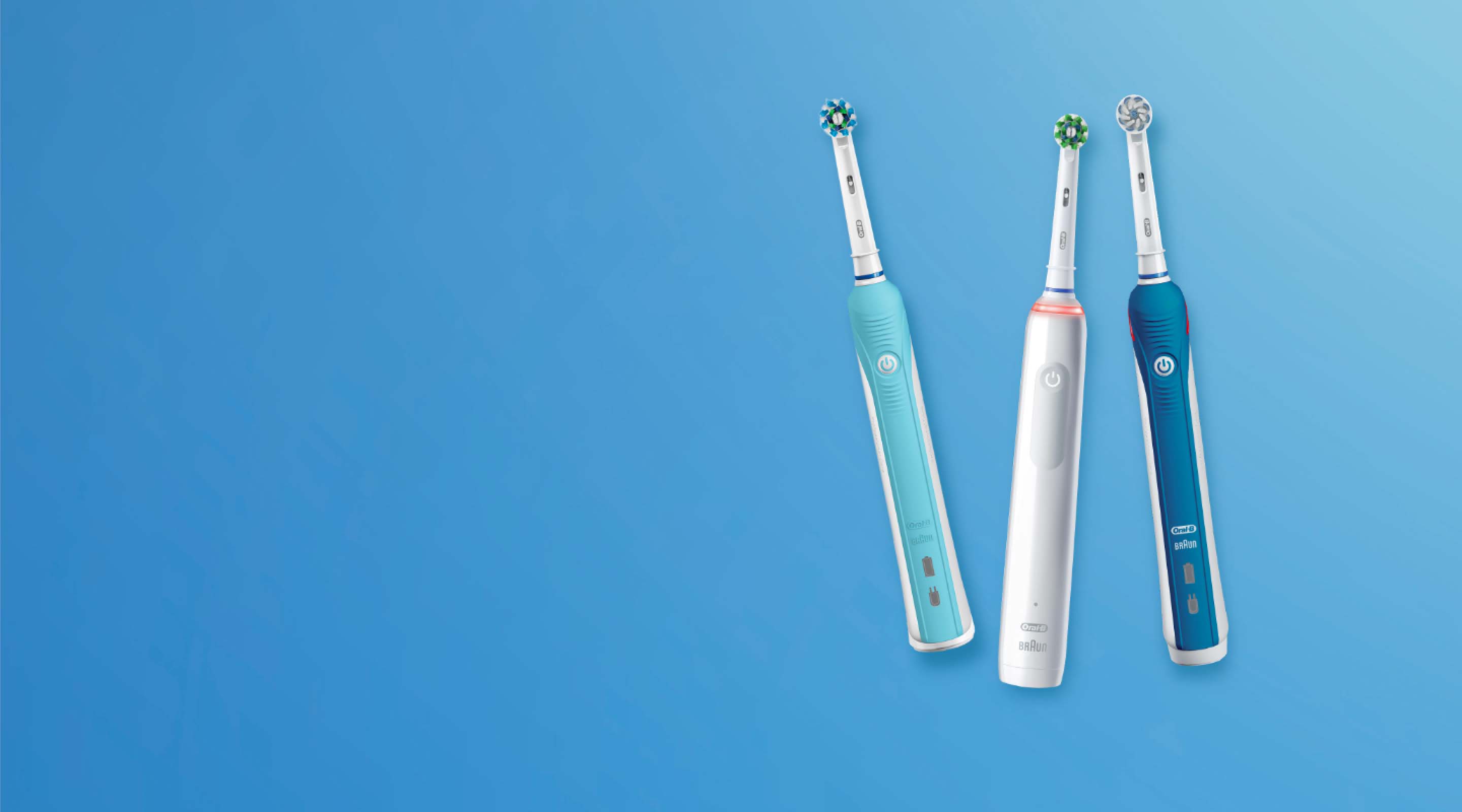
- Round Heads: Oscillating-rotating toothbrushes (like many from Oral-B) feature small, round heads that are brilliant for small mouths. They can cup each tooth individually and are much easier to navigate into tight corners.
- Slim Neck: The neck of the brush head—the plastic part connecting the bristles to the handle—should be as slim as possible to improve reach without causing discomfort.
Look for a Slim, Ergonomic Handle
A clunky, heavy handle can be difficult to control, especially when you’re trying to make precise movements. A lighter, slimmer handle provides better grip and maneuverability, allowing you to easily angle the brush head to clean the inside surfaces of your front teeth and the very back of your molars.
Essential Features You Shouldn’t Ignore
Beyond the physical design, certain tech features can make a huge difference in your daily routine.
- Pressure Sensor: This is a must-have. A light or vibration will warn you if you’re pressing too hard, protecting your delicate gum tissue from damage.
- Two-Minute Timer with Quad Pacer: This feature ensures you brush for the recommended two minutes and spend an equal 30 seconds on each quadrant of your mouth.
- Multiple Cleaning Modes: A “Sensitive” or “Gum Care” mode is a fantastic option. These modes use a lower speed or a different vibration pattern, providing a gentle yet effective clean that’s perfect for anyone prone to sensitivity.
“For patients with smaller mouths, the goal is precision, not power. A compact, round brush head combined with a pressure sensor is the ideal combination. It allows them to effectively clean each tooth, including hard-to-reach molars, without irritating the surrounding soft tissues.” – Dr. Emily Carter, DDS
Sonic vs. Oscillating-Rotating: Which is Better for You?
The two main players in the electric toothbrush world are sonic and oscillating-rotating. Both are excellent, but one might be a better fit for your mouth shape.
- Sonic Technology (e.g., Philips Sonicare): These brushes have a head that vibrates side-to-side at incredibly high speeds (tens of thousands of strokes per minute). This creates a fluid dynamic that pushes toothpaste and water between your teeth. Their brush heads are often shaped more like a manual toothbrush, so you’ll need to seek out their “Compact” or “Small” versions.
- Oscillating-Rotating Technology (e.g., Oral-B): These feature a small, round head that both rotates back and forth and pulsates in and out. This design is naturally well-suited for smaller mouths and is exceptional at polishing each tooth and sweeping away plaque from the gumline.
For many users with a small mouth, the round head of an oscillating-rotating brush often proves to be the winner due to its sheer maneuverability.
Bảng trống.How to Choose the Best Electric Toothbrush for a Small Mouth
Feeling overwhelmed? Let’s break it down into a simple checklist. When you’re shopping, ask yourself these questions:
- Does the brand offer compact replacement heads? Check the packaging or website. Don’t buy a brush if you can’t get small heads for it later.
- How does the handle feel? If you can, hold it in the store. Does it feel balanced and comfortable, or bulky and heavy?
- Does it have the essential features? At a minimum, look for a two-minute timer and a pressure sensor.
- Are sensitive modes available? This is a huge bonus for a more comfortable brushing experience.
- What’s the battery life? Look for a model that can last at least a week on a single charge, which is great for travel and reducing clutter on your countertop.
Using Your New Toothbrush for Maximum Impact
Getting the best electric toothbrush for a small mouth is only half the battle. Using it correctly is what delivers those amazing results.
- Charge It Up: Before first use, give your new toothbrush a full charge according to the manufacturer’s instructions.
- Apply a Pea-Sized Amount of Toothpaste: You don’t need to cover the whole brush head. A small amount is plenty.
- Divide and Conquer: Mentally divide your mouth into four quadrants: top right, top left, bottom right, and bottom left.
- Angle and Glide: Place the bristles against your teeth at a 45-degree angle towards the gumline. Turn the brush on.
- Don’t Scrub! This is the most important rule. You don’t need to make scrubbing motions. Simply glide the brush from tooth to tooth, letting it linger on each surface for a few seconds. The brush does all the work.
- Follow the Pacer: Your brush will likely buzz or pause every 30 seconds. That’s your cue to move to the next quadrant.
- Brush for a Full Two Minutes: Keep going until the two-minute timer signals you’re done.
- Rinse and Clean: Rinse your mouth, and importantly, rinse the brush head and handle thoroughly to prevent toothpaste buildup.
A Quick Guide to Toothbrush Care
To keep your investment working perfectly, a little maintenance goes a long way.
- Rinse Thoroughly: After every use, rinse the brush head and handle under running water.
- Air Dry: Store your toothbrush upright in a holder where it can air dry completely. Avoid covering the brush head, as a damp environment can breed bacteria.
- Replace the Head: This is crucial! Replace your brush head every three months, or sooner if the bristles become frayed. Worn bristles don’t clean effectively. Many heads have indicator bristles that fade to remind you.
Frequently Asked Questions (FAQ)
Q: Can adults use a kid’s electric toothbrush for a small mouth?
A: Absolutely! Kid’s electric toothbrushes are specifically designed with smaller heads and often have gentler modes. If you find adult models are still too large, a high-quality children’s model can be an excellent and effective alternative.
Q: Does a smaller brush head mean a less effective clean?
A: Not at all. In fact, for a small mouth, a smaller head is more effective because it allows you to reach and thoroughly clean every surface of every tooth, especially the back molars, which are often missed by larger brushes.
Q: Are the expensive, “smart” electric toothbrushes worth the money?
A: It depends on your needs. High-end models with features like AI tracking and app connectivity can be fantastic for improving your technique. However, you can get a phenomenal clean from a mid-range model that has the core essentials: a compact head option, a pressure sensor, and a two-minute timer.
Q: How often should I replace the brush head?
A: Dentists recommend replacing your brush head every three to four months. Frayed and worn bristles are not only less effective at removing plaque but can also harbor bacteria.
Q: What is the best electric toothbrush for travel if I have a small mouth?
A: Look for a model with a long battery life (2+ weeks) and a protective travel case. Many slim, sonic models are excellent for travel as they are lightweight and their cases are often very compact.
Choosing to invest in your oral health is one of the best decisions you can make. Finding the best electric toothbrush for a small mouth transforms brushing from a chore into a pleasant and incredibly effective routine. You’ll not only enjoy the process more but will also leave your next dental check-up with a glowing report and a sparkling, confident smile.