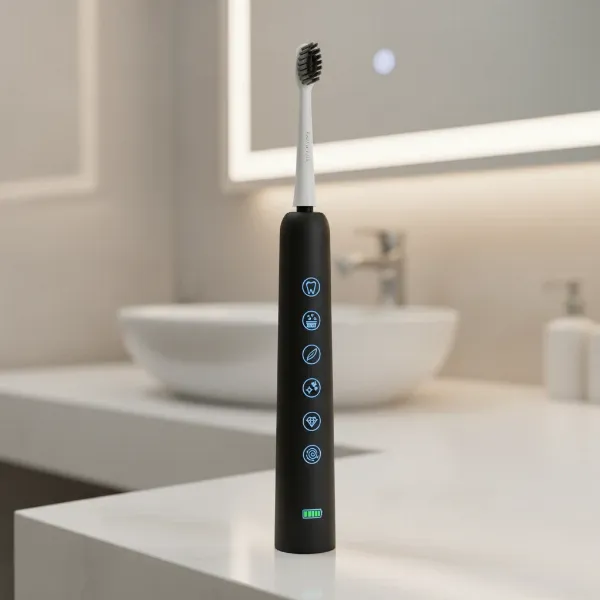
Maintaining optimal oral hygiene is crucial for a healthy smile and preventing dental issues. If you’re like many electric toothbrush users, you might occasionally wonder: “How often should I replace my electric toothbrush head?” It’s a fundamental question that directly impacts the effectiveness of your brushing routine. While the convenience and superior cleaning power of electric toothbrushes are undeniable, neglecting regular brush head replacement can undermine all those benefits. Dentists and manufacturers generally recommend changing your electric toothbrush head every three months to ensure it continues to clean effectively and remains hygienic. Understanding the “why” behind this recommendation, along with recognizing the signs it’s time for a new head, is key to maximizing your oral health.
Why Your Electric Toothbrush Head Needs Regular Replacement
Electric toothbrushes revolutionize dental care, offering a level of cleanliness often superior to manual brushing. However, the efficiency of this powerful tool hinges entirely on the condition of its brush head. Over time, the bristles undergo significant wear and tear, gradually losing their effectiveness. This degradation is a natural consequence of repeated use, friction against tooth surfaces, and exposure to moisture and toothpaste.
As bristles fray and splay, their ability to effectively reach into crevices, along the gumline, and between teeth diminishes significantly. A worn brush head cannot efficiently sweep away plaque and food debris, leading to an increased risk of plaque buildup, cavities, and gum inflammation. Beyond mechanical wear, hygiene is a critical concern. Your brush head, residing in a moist bathroom environment, inevitably accumulates bacteria from your mouth and surroundings. Regular replacement ensures you’re not reintroducing harmful microbes, maintaining a healthier oral flora.
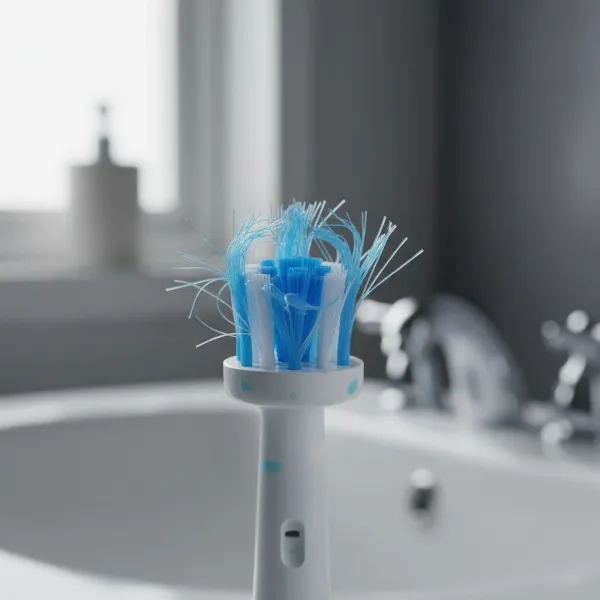 Worn electric toothbrush head with frayed bristles, emphasizing the need for replacement.
The Gold Standard: When to Replace Your Electric Toothbrush Head
The consensus among dental professionals and leading electric toothbrush manufacturers is clear: you should replace your electric toothbrush head approximately every three months. This recommendation is not arbitrary; it’s based on extensive research and practical observation of bristle performance and hygiene. Some guidelines even specify a timeframe of 12 to 16 weeks, offering a slightly more flexible window that aligns with the typical three-month cycle.
While the calendar provides a reliable guide, it’s also important to consider individual factors. Your brushing habits, such as how often and how intensely you brush, can influence the lifespan of a brush head. For instance, someone who brushes with excessive force or more than twice a day might find their bristles wearing down sooner. Similarly, if you’ve recently been sick, especially with a cold or flu, replacing your brush head immediately is a wise precautionary measure to avoid reintroducing germs into your system. Adhering to this “gold standard” ensures that your toothbrush remains a powerful ally in your daily oral hygiene routine.
Signs It’s Time for a New Head: Beyond the Calendar
While the three-month rule is a great baseline, your electric toothbrush head often provides clear visual cues that it’s ready for retirement, regardless of the date. Paying attention to these indicators can prevent you from using an ineffective or unhygienic brush.
- Visual Indicators: The most obvious sign is when the bristles become visibly frayed, splayed, or bent. When bristles no longer stand upright or are pointing outwards in various directions, their cleaning efficacy is severely compromised. Discoloration, beyond typical toothpaste stains, can also signal microbial buildup or excessive wear.
- Indicator Bristles: Many modern electric toothbrush heads feature special indicator bristles, typically blue, that fade over time. These bristles are designed to change color, usually from blue to white, as the brush head reaches the end of its effective life. When you notice these bristles have significantly faded, it’s a clear signal to swap out your head.
- Reduced Effectiveness: Have you noticed that your teeth don’t feel as clean or smooth after brushing as they used to? This “lack of freshness” or diminished cleaning sensation can be a subtle but important sign that your brush head is no longer performing optimally.
- Increased Gum Sensitivity/Bleeding: Worn bristles, instead of being gentle and effective, can become rough and potentially abrasive. If you experience new or increased gum sensitivity, irritation, or bleeding after brushing, a worn-out brush head could be the culprit.
The Risks of Neglecting Replacement
Ignoring the signs and recommendations for replacing your electric toothbrush head can have several detrimental consequences for your oral health. What might seem like a small oversight can accumulate into significant dental problems over time, negating the very advantages an electric toothbrush is meant to provide.
Primarily, a worn brush head is an ineffective brush head. Its compromised bristles lead to inefficient plaque removal, allowing sticky bacterial film to accumulate on your teeth. This unchecked plaque is the leading cause of cavities (tooth decay) and gum disease (gingivitis and periodontitis). Furthermore, bristles that are frayed and splayed can become rough and abrasive, potentially causing damage to your gums or even contributing to gum recession. Lastly, prolonged use of a single brush head significantly increases bacterial buildup. The warm, moist environment of a bathroom is an ideal breeding ground for microbes, and an old brush head can harbor bacteria like Streptococcus and E. coli, potentially disrupting your oral flora and increasing the risk of oral infections.
“Neglecting to replace your electric toothbrush head every three months is akin to driving a high-performance car with bald tires. The technology is there, but its ability to perform optimally is severely compromised, putting your oral health at unnecessary risk.” – Dr. Elena Petrova, Leading Dental Hygienist
Choosing the Right Replacement Head for Optimal Oral Health
Selecting the correct replacement head is just as important as knowing when to change it. With a variety of options available, choosing the right one can enhance your brushing experience and cater to your specific oral health needs.
First and foremost, always ensure the replacement head is compatible with your electric toothbrush brand and model. Major brands like Oral-B and Philips Sonicare offer different series, and their heads are not always interchangeable. Beyond compatibility, consider the type of brush head that best suits you. Options typically include:
- Soft/Sensitive: Ideal for those with gum sensitivity or recently undergone dental procedures.
- Plaque Control: Designed with specific bristle patterns to target and remove stubborn plaque effectively.
- Whitening: Features polishing cups or stain-removing bristles to help gently lift surface stains.
- FlossAction/CrossAction: Engineered to reach deeper between teeth for a more comprehensive clean.
Your specific oral health needs should guide your choice. If you have sensitive gums, opt for softer bristles. If you wear braces, specialized orthodontic heads can be beneficial. Finally, the importance of purchasing genuine replacement heads cannot be overstated. While generic or “knock-off” heads might seem more affordable, they often lack the quality, durability, and precise design of authentic products, potentially leading to less effective cleaning and even damage to your toothbrush or mouth.
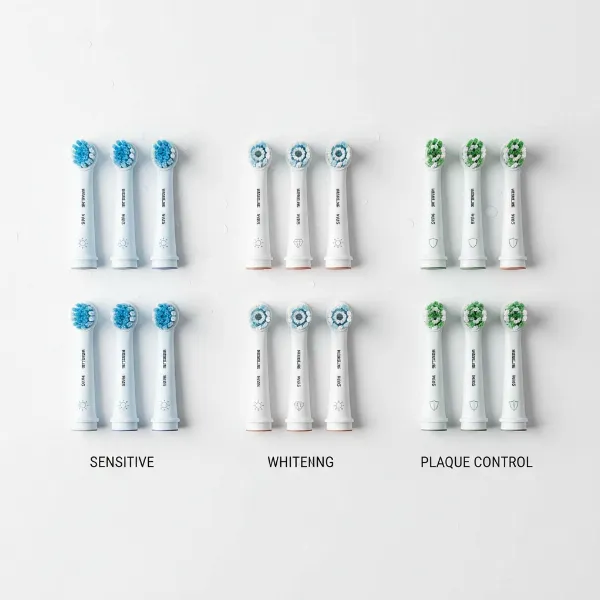 Assortment of different types of electric toothbrush replacement heads for various needs, showcasing options for users.
Maximizing Your Electric Toothbrush Head’s Lifespan (and When to Replace Sooner)
While the three-month guideline is standard, certain practices can help you get the most out of your brush head and, conversely, some situations warrant earlier replacement. Extending the life of your brush head isn’t about using it longer than recommended, but ensuring it maintains peak performance throughout its intended duration.
Proper brushing technique is crucial. Avoid pressing too hard, as this can fray bristles prematurely and irritate your gums. Let the electric toothbrush do the work, guiding it gently along each tooth surface. After each use, thoroughly rinse your brush head under running water to remove toothpaste residue and food particles. Then, store it upright in a holder that allows for air circulation to dry naturally, discouraging bacterial growth. Avoid covering a wet brush head, as this creates a moist environment where bacteria thrive.
However, certain circumstances demand an earlier replacement, even if the three-month mark hasn’t been reached:
- After Illness: If you’ve been sick with a cold, flu, or any contagious illness, replace your brush head immediately to prevent re-infection.
- Visible Damage: Any significant visible damage, such as a cracked head or loose bristles, means it’s time for a new one.
- Accidental Drops: If you drop your electric toothbrush head on the floor, especially in a public bathroom, it’s best to replace it due to potential contamination.
Where to Purchase Authentic Electric Toothbrush Replacement Heads
Ensuring you purchase authentic replacement heads is critical for maintaining your electric toothbrush’s performance and safeguarding your oral health. The market is flooded with various options, but not all are created equal.
The most reliable places to buy replacement heads include manufacturer websites (e.g., Oral-B.com, Philips.com/Sonicare). These direct sources guarantee genuine products. Reputable online retailers like Amazon, Target, or Walmart, specifically their official brand stores or listings, are also good options. Always verify the seller’s authenticity when purchasing online to avoid counterfeit products. Local pharmacies and supermarkets typically stock genuine replacement heads from major brands. While these might sometimes be priced slightly higher, the convenience and assurance of authenticity can be worth it. Be wary of unusually low prices from unknown online vendors, as these often indicate counterfeit products that may not fit correctly, wear out quickly, or even damage your toothbrush or oral tissues. Investing in authentic heads is an investment in your oral health.
Conclusion
Regularly replacing your electric toothbrush head is a cornerstone of effective oral hygiene. The widely accepted guideline of changing your brush head every three months, or sooner if visible wear and tear appear, is backed by dental professionals and product manufacturers for sound reasons. Worn bristles lose their cleaning efficacy, leading to plaque buildup and potential dental problems, while older heads can harbor unwanted bacteria. By paying attention to visual cues like frayed bristles or faded indicator colors, and making informed choices about genuine replacement heads, you ensure your electric toothbrush continues to deliver its superior cleaning benefits. Don’t let a small oversight compromise your commitment to a healthy smile. When was the last time you changed your electric toothbrush head?
Frequently Asked Questions
Can I use my electric toothbrush head for longer than 3 months if it looks fine?
|
Our Picks for the Best Electric Toothbrush in 2026
As an Amazon Associate I earn from qualifying purchases.
|
||
| Num | Product | Action |
|---|---|---|
| 1 | Onlyone Sonic Electric Toothbrush for Adults, Rechargeable Ultrasonic Electric Toothbrush with 8 Brush Heads, Travel Case, Charging Base & Wireless Charging - 5 Modes with Smart Timer |

|
| 2 | Philips Sonicare 1100 Series Electric Toothbrush - Sonic Toothbrush with Advanced Sonic Technology, EasyStart, Smartimer & Quadpacer, White, Model HX3641/02 |
|
| 3 | Philips Sonicare 2100 Series Electric Toothbrush - Sonic Toothbrush with Advanced Sonic Technology, Two Intensity Settings, Smartimer & Quadpacer, White, Model HX3661/04 |
|
| 4 | Philips Sonicare 4100 Rechargeable Electric Toothbrush, Advanced Plaque Removal, Pressure Sensor, Includes Brush Head Case, White BD5002AZ |
|
| 5 | Oral-B Pro 1000 Rechargeable Electric Toothbrush, White |
|
| 6 | COSLUS Sonic Electric Toothbrush for Adults C40(DY-108Pro): 47000 VPM for Deep Cleaning with Travel Case - 5 Modes for Sensitive Teeth & Brace, Wireless Charging, 6 Brush Heads for Family, Black (1PC) |
|
| 7 | Oral-B Pro 1000 Rechargeable Electric Toothbrush, Black |
|
| 8 | Oral-B iO Simple Clean Rechargeable Electric Powered Toothbrush, Night Black with 1 Gentle Care Brush Head and 1 Black Travel Case - Automatic Pressure Sensor to Protect Gums - 3 Modes - 2 Min Timer |
|
| 9 | Oral-B iO Simple Clean Rechargeable Electric Powered Toothbrush, Pure White with 1 Gentle Care Brush Head and 1 White Travel Case - Automatic Pressure Sensor to Protect Gums - 3 Modes -2 Min Timer |
|
| 10 | Philips Sonicare 4100 Series Electric Toothbrush - Sonic Toothbrush with Advanced Sonic Technology, Pressure Sensor, Two Intensity Settings, Smartimer & Quadpacer, Deep Pink, Model HX3681/26 |
|
While some brush heads might appear visually intact beyond three months, their cleaning effectiveness diminishes over time due to microscopic bristle fatigue and bacterial accumulation. Dentists recommend sticking to the three-month rule to ensure optimal plaque removal and hygiene, even if bristles look okay.
Do different electric toothbrush brands have different replacement schedules?
Generally, most leading electric toothbrush brands, including Oral-B and Philips Sonicare, recommend replacing their brush heads every three months. However, always refer to your specific toothbrush model’s manual or the manufacturer’s official guidelines for precise recommendations.
What happens if I don’t replace my brush head regularly?
Failing to replace your brush head regularly leads to less effective cleaning, allowing plaque and bacteria to accumulate. This increases your risk of cavities, gum disease, and other oral infections. Worn bristles can also become abrasive, potentially harming your gums.
How do I know if my brush head has indicator bristles?
Many Electric Toothbrush heads feature indicator bristles, typically blue, that fade to white over approximately three months of regular use. Check your brush head’s packaging or the manufacturer’s website for details specific to your model.
Are generic replacement heads as good as brand-name ones?
While generic replacement heads might be cheaper, they often lack the quality control and precise design of brand-name products. This can result in less effective cleaning, quicker wear, improper fit, and potentially damage to your toothbrush or oral health. It’s generally recommended to use authentic replacement heads.