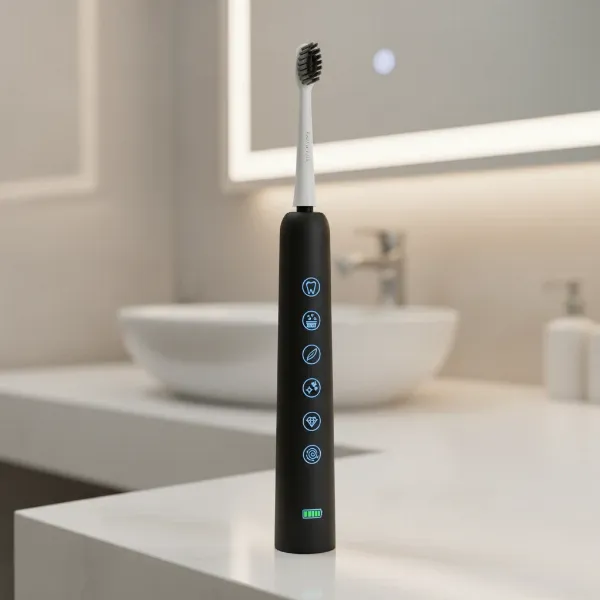
Are you concerned about the environmental impact of your daily oral hygiene routine? You’re not alone. Every year, millions of electric toothbrush heads end up in landfills, contributing to plastic pollution and environmental strain. While these small devices are essential for maintaining optimal oral health, their multi-material composition makes them a challenge for standard recycling processes. Understanding how to properly dispose of them is key to a more sustainable lifestyle. This comprehensive guide will illuminate the complexities of electric toothbrush head recycling and equip you with the knowledge to make environmentally responsible choices.
Why Recycling Electric Toothbrush Heads is Crucial for Our Planet
Electric toothbrush heads, though small, pose a significant environmental challenge if not disposed of correctly. The core issue lies in their construction. Typically, they are made from a combination of different materials, including various plastics (like polypropylene for the body), nylon for the bristles, and often small metal components or springs. This mix of materials, combined with their small size, makes them unsuitable for standard curbside recycling programs, which are designed for single-stream, larger plastic items.
When these mixed-material heads are simply tossed into general waste, they contribute to the massive accumulation of plastic in landfills. There, they can take hundreds of years to decompose, potentially leaching microplastics and other harmful substances into the soil and water. This pollution can negatively impact wildlife, ecosystems, and ultimately, human health. By choosing to recycle them through dedicated programs, you prevent valuable resources from being wasted and reduce your ecological footprint, ensuring these materials are processed and repurposed.
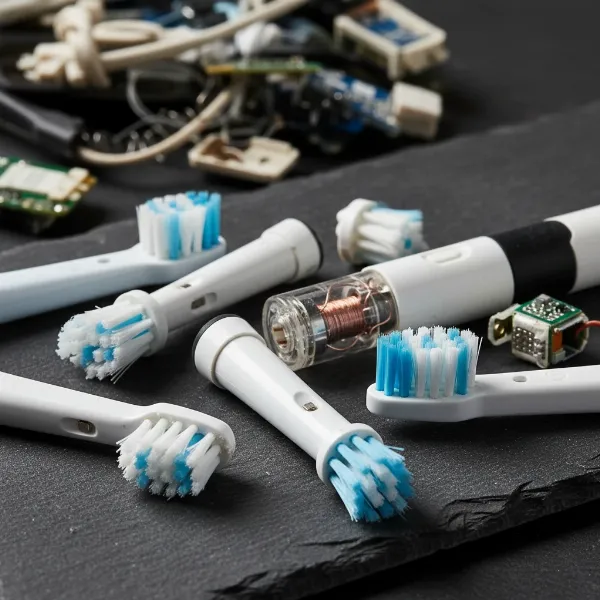 Close-up of discarded electric toothbrush heads showing mixed plastic and nylon bristles.
Understanding the Challenge: Why Standard Recycling Falls Short
The primary reason electric toothbrush heads cannot typically go into your household recycling bin is the complex blend of materials they contain. Municipal recycling facilities are generally equipped to sort common plastics (like PET bottles or HDPE jugs), cardboard, glass, and aluminum. However, toothbrush heads often contain multiple types of plastic, nylon bristles, and sometimes small metal parts, all fused together. Separating these components efficiently is difficult and costly for automated systems.
Furthermore, the small size of brush heads can cause issues in recycling machinery, potentially jamming equipment or falling through sorting screens, leading them to be categorized as contaminants. This “wishcycling” – putting non-recyclable items into recycling bins with good intentions – can actually do more harm than good, as it increases processing costs and can lead to entire batches of otherwise recyclable materials being diverted to landfills. Therefore, specialized solutions are essential for truly effective recycling.
Dedicated Recycling Programs: Your Best Options
Given the challenges with conventional recycling, several specialized programs have emerged to help you responsibly dispose of your used electric toothbrush heads. These initiatives often involve partnerships between manufacturers and dedicated recycling companies, ensuring that the mixed materials are properly separated and processed.
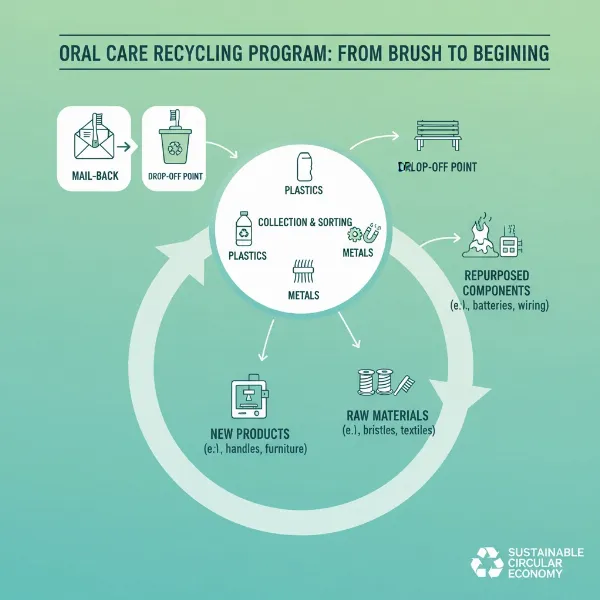 Graphic illustrating steps of a specialized recycling program for oral care products.
Manufacturer Take-Back Programs
Many leading electric toothbrush brands have recognized the need for sustainable disposal and offer their own recycling initiatives.
- Oral-B: Through programs like “Recycle On Us,” Oral-B allows consumers to send back used plastic toothbrushes, refill brush heads, toothpaste tubes, and other oral care packaging. It’s important to note that while refill heads are often accepted, the electric toothbrush handle or body (which contains electronics and batteries) is typically not part of these specific brush head recycling programs and requires separate e-waste disposal. These programs usually provide free shipping labels or mailers, making it convenient to participate.
- Philips: Similar to Oral-B, Philips offers recycling initiatives in various regions. These programs often provide prepaid mailing options, allowing you to send your used brush heads to facilities equipped to separate plastics, metals, and nylon bristles for recycling. Participating in such programs helps ensure materials are reused rather than ending up in landfills.
- Colgate: Some Colgate programs, often in partnership with TerraCycle, specifically accept electric toothbrush heads along with other oral care products. These programs may be available through dental clinics or specific drop-off points.
|
Our Picks for the Best Electric Toothbrush in 2026
As an Amazon Associate I earn from qualifying purchases.
|
||
| Num | Product | Action |
|---|---|---|
| 1 | COSLUS Sonic Electric Toothbrush for Adults C40(DY-108Pro): 47000 VPM for Deep Cleaning with Travel Case - 5 Modes for Sensitive Teeth & Brace, Wireless Charging, 6 Brush Heads for Family, Black (1PC) |

|
| 2 | Philips Sonicare 2100 Series Electric Toothbrush - Sonic Toothbrush with Advanced Sonic Technology, Two Intensity Settings, Smartimer & Quadpacer, White, Model HX3661/04 |
|
| 3 | Oral-B iO Simple Clean Rechargeable Electric Powered Toothbrush, Pure White with 1 Gentle Care Brush Head and 1 White Travel Case - Automatic Pressure Sensor to Protect Gums - 3 Modes -2 Min Timer |
|
| 4 | Philips Sonicare 4100 Series Electric Toothbrush - Sonic Toothbrush with Advanced Sonic Technology, Pressure Sensor, Two Intensity Settings, Smartimer & Quadpacer, Deep Pink, Model HX3681/26 |
|
| 5 | Oral-B iO Simple Clean Rechargeable Electric Powered Toothbrush, Night Black with 1 Gentle Care Brush Head and 1 Black Travel Case - Automatic Pressure Sensor to Protect Gums - 3 Modes - 2 Min Timer |
|
| 6 | Oral-B Pro 1000 Rechargeable Electric Toothbrush, White |
|
| 7 | Onlyone Sonic Electric Toothbrush for Adults, Rechargeable Ultrasonic Electric Toothbrush with 8 Brush Heads, Travel Case, Charging Base & Wireless Charging - 5 Modes with Smart Timer |
|
| 8 | Philips Sonicare 1100 Series Electric Toothbrush - Sonic Toothbrush with Advanced Sonic Technology, EasyStart, Smartimer & Quadpacer, White, Model HX3641/02 |
|
| 9 | Philips Sonicare 4100 Rechargeable Electric Toothbrush, Advanced Plaque Removal, Pressure Sensor, Includes Brush Head Case, White BD5002AZ |
|
| 10 | Oral-B Pro 1000 Rechargeable Electric Toothbrush, Black |
|
These manufacturer-backed schemes are designed to simplify the recycling process for their specific products, ensuring that the materials are handled by facilities capable of breaking down their unique compositions.
Third-Party Specialized Recyclers
Beyond brand-specific programs, several third-party companies focus on recycling hard-to-process waste, including oral care products.
- TerraCycle: TerraCycle is a renowned recycling company that partners with brands and communities to collect and repurpose items not typically accepted in curbside recycling. They often run free collection programs for oral care waste, sometimes in partnership with brands like Colgate. These programs might involve dropping off items at designated public collection points, often located in dental offices, or signing up for a mail-back service. It’s crucial to check the specific TerraCycle program’s accepted items, as some may differentiate between brush heads, manual toothbrushes, and the full electric toothbrush body.
- SURI and LiveCoco: These companies, known for their more eco-friendly electric toothbrushes and plant-based heads, have developed their own circular recycling programs. SURI, for instance, offers prepaid mailer bags for customers to return their used brush heads, which are then separated, sterilized, and processed into new materials. LiveCoco provides a similar service for its own thermoplastic, recyclable brush heads. These services are often integrated into their product subscription models, making sustainable disposal effortless for their users.
These specialized recyclers employ advanced techniques to separate the various components of toothbrush heads, ensuring each material type can be effectively repurposed.
Local Collection Points & Dental Offices
In some areas, local waste management authorities or dental clinics may offer collection points for oral care waste.
- E-waste Collection Programs: Some municipalities have specialized e-waste collection points that accept small electronic items, which might include certain electric toothbrush heads, especially if they contain integrated electronic components. Always check with your local waste management authority for their specific guidelines.
- Dental Office Partnerships: Many dental practices are becoming more environmentally conscious and partner with organizations like TerraCycle to collect oral care waste from their patients. Inquiring at your local dental office can reveal convenient drop-off options.
These local solutions provide accessible avenues for responsible disposal, often serving as community hubs for recycling various challenging waste streams.
Recycling the Electric Toothbrush Handle (Body) Separately
While this guide focuses on brush heads, it’s vital to remember that the main electric toothbrush handle or body is a distinct item requiring its own recycling approach. Unlike the heads, the handle contains batteries and intricate electronic components, classifying it as electronic waste (e-waste).
E-waste should never be thrown into regular trash or general recycling bins. The batteries can pose fire hazards in landfills, and the electronic components may contain hazardous materials that can leach into the environment. Instead, dispose of your electric toothbrush handle through:
- Certified E-waste Recycling Centers: These facilities are equipped to safely dismantle electronic devices, recover valuable materials, and properly dispose of hazardous components.
- Retailer Take-Back Schemes: Many electronics retailers (and even some pharmacies like Boots in the UK) offer in-store recycling points for small electrical appliances, especially when you are purchasing a new item.
- Local Household Waste and Recycling Centers: These centers often have specific bins for electricals and batteries.
Always remove batteries if possible and recycle them separately at designated battery collection points, which are commonly found in supermarkets and other retail stores.
Tips for Responsible Disposal and Reducing Waste
Embracing a more sustainable oral care routine goes beyond just knowing how to recycle; it also involves mindful consumption and maintenance.
- Store Used Heads: Accumulate several used brush heads before sending them off for recycling or taking them to a drop-off point. This reduces the carbon footprint associated with transportation.
- Check Local Guidelines: Recycling programs and accepted items can vary significantly by location and specific program. Always verify the most current information with your local waste management authority or the recycling program provider.
- Consider Eco-Friendly Alternatives: Explore electric toothbrush brands that offer heads made from plant-based, compostable, or easily recyclable materials from the outset. This simplifies the disposal process down the line.
- Maximize Brush Head Lifespan: While dentists recommend changing brush heads every three months, ensure you use them for their full effective lifespan to reduce overall waste. Practice good oral hygiene habits to keep your brush head clean and functional longer.
- Research Before You Buy: When purchasing a new electric toothbrush or replacement heads, investigate the brand’s recycling policies and commitments to sustainability. Supporting brands with clear recycling solutions can drive positive change in the industry.
“Every small action in waste management, from diligently collecting your used brush heads to choosing brands with robust recycling initiatives, contributes significantly to a healthier planet.” – Dr. Elena Petrova, Environmental Dentistry Advocate
Conclusion
Recycling electric toothbrush heads properly is a vital step toward reducing plastic waste and minimizing our environmental impact. While they cannot be simply tossed into your regular recycling bin due to their complex material composition, numerous dedicated programs exist to ensure their responsible disposal. From manufacturer take-back schemes offered by brands like Oral-B and Philips, to specialized third-party recyclers such as TerraCycle, SURI, and LiveCoco, and even local e-waste collection points, there are more options than ever to give your used brush heads a second life. Remember to always recycle the electric toothbrush handle separately as e-waste. By actively participating in these programs and making informed choices about your oral care products, you contribute to a cleaner, greener future. What small change will you make today to improve your oral care sustainability?
Frequently Asked Questions
Can I put electric toothbrush heads in my regular recycling bin?
No, electric toothbrush heads are generally not accepted in standard household recycling bins because they are made from a mix of plastic, nylon bristles, and sometimes metal, which is difficult for municipal facilities to separate and process effectively.
What exactly are electric toothbrush heads made of?
Electric toothbrush heads typically consist of polypropylene (PP) plastic for the body, nylon for the bristles, and occasionally small metal components like springs or clips that connect to the handle. This combination of materials requires specialized recycling.
Do dental offices recycle toothbrush heads?
Some dental offices participate in recycling programs for oral care waste, often in partnership with organizations like TerraCycle. It’s a good idea to contact your local dental clinic to inquire if they offer such a service for used electric toothbrush heads.
Is TerraCycle a good option for all electric toothbrush heads?
TerraCycle offers various recycling programs, many in partnership with oral care brands. While some programs accept electric toothbrush heads, it’s crucial to check the specific program’s guidelines, as acceptance can vary. Some programs might not accept the entire electric toothbrush body.
How often should I change my electric toothbrush head?
Dentists generally recommend changing your Electric Toothbrush head every three months, or sooner if the bristles appear frayed or worn. Regular replacement ensures optimal cleaning performance and hygiene.