So, you’ve finally made the switch. You’ve unboxed that shiny new Oral-B electric toothbrush, and it’s sitting on your bathroom counter, humming with potential. It feels like a significant upgrade from your old manual brush, almost like trading in a bicycle for a sports car. But just like a sports car, you need to know how to drive it properly to get the best performance. Learning How To Use An Oral B Oscillating Toothbrush correctly is the key to unlocking that dentist-clean feeling every single day.
Forget everything you know about vigorous, back-and-forth scrubbing. The world of oscillating-rotating technology is different—and frankly, much better for your teeth and gums. This guide is your new co-pilot. We’ll walk you through every step, from the basic setup to advanced techniques, ensuring you get the most out of your investment and achieve a level of clean you didn’t think was possible at home. Let’s dive in.
Why Is an Oscillating Toothbrush a Game-Changer?
Before we get into the “how,” let’s quickly cover the “why.” What makes this little device so special? Unlike manual brushing, which relies entirely on your technique and elbow grease, an oscillating-rotating toothbrush does the hard work for you.
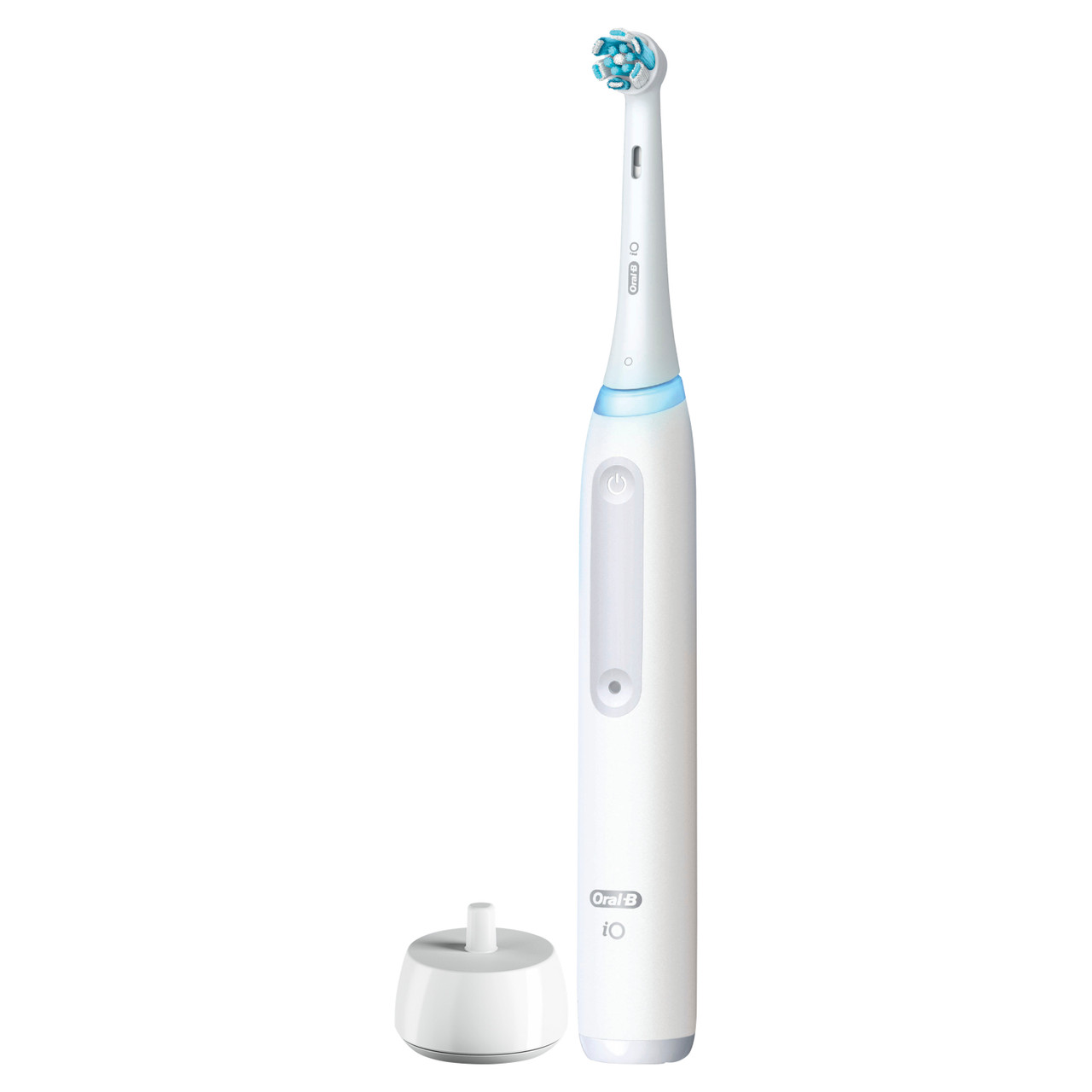
An oscillating-rotating brush head, the signature of most Oral-B models, has a small, round head that rotates in one direction and then the other, thousands of times per minute. Many models also add a pulsating action that moves in and out to break up plaque before sweeping it away.
- Superior Plaque Removal: The combination of oscillation and rotation is clinically proven to be more effective at removing plaque than a manual toothbrush. Think of it like a professional polishing tool that your hygienist uses, but for everyday use.
- Improved Gum Health: By removing more plaque along the gumline and often featuring a pressure sensor, these brushes help reduce gingivitis and prevent you from brushing too hard, which can cause gum recession.
- Consistency: Built-in timers ensure you brush for the dentist-recommended two minutes, something most of us fail to do with a manual brush.
In short, it’s not just about brushing harder; it’s about brushing smarter. And the results speak for themselves.
Getting to Know Your Toothbrush: Key Features to Master
Your Oral-B toothbrush is packed with technology designed to improve your brushing habits. Understanding these features is the first step toward a perfect clean.
The Two-Minute Quadrant Timer
Ever wonder if you’re spending enough time on each part of your mouth? The built-in timer solves this. It will typically pulse or stutter every 30 seconds, signaling you to move to the next quadrant of your mouth (upper right, upper left, lower right, lower left). After four quadrants (two minutes), it will give a longer signal to let you know you’re done.
The Pressure Sensor
This is perhaps the most important feature for protecting your oral health. Brushing too hard is a common mistake that can damage enamel and gums. The pressure sensor alerts you when you’re applying too much force. On most Oral-B models, a red light will illuminate, and the brush may even slow its pulsations until you ease up.
Brushing Modes
Depending on your model, you may have several modes to choose from, such as:
- Daily Clean: Standard mode for everyday use.
- Sensitive: A gentler speed for sensitive teeth and gums.
- Whitening: Varies in speed to polish away surface stains.
- Gum Care: A gentle massage for your gums.
Start with Daily Clean, and feel free to experiment to see what feels best for you.
Bảng trống.Your Ultimate Guide: How to Use an Oral B Oscillating Toothbrush
Alright, it’s time for the main event. Let’s get you brushing like a pro. This isn’t about scrubbing; it’s about guiding. Let the brush do the work.
- Charge It Up: Before your first use, give your toothbrush a full charge. A fully charged brush delivers optimal power and performance.
- Apply a Pea-Sized Amount of Toothpaste: You don’t need to cover the entire brush head. A small, pea-sized amount is plenty. Applying too much just creates a foamy mess and doesn’t improve the cleaning action.
- Divide and Conquer: Mentally divide your mouth into four quadrants: top right, top left, bottom right, and bottom left. You’ll spend 30 seconds on each, guided by the brush’s timer.
- Position the Brush (The Secret Sauce): Place the brush head on your teeth before you turn it on to avoid splattering toothpaste. Hold the brush head parallel to your teeth, angled at a slight 45-degree angle towards your gumline. This allows the bristles to reach just below the gumline where plaque loves to hide.
- Guide, Don’t Scrub: Turn the brush on. Now, here’s the most critical part: do not scrub back and forth. Simply hold the brush head gently on each tooth for 2-3 seconds, then glide it to the next one. Let the oscillating head do all the work. You are just the pilot guiding the brush along the flight path of your teeth.
- Cover All Surfaces: For each tooth, make sure you clean all three surfaces:
- The outer surfaces (facing your cheek).
- The inner surfaces (facing your tongue).
- The chewing surfaces (the tops).
- Follow the Timer: When you feel the 30-second pulse, move to the next quadrant. Continue this process until the two-minute timer signals you’re finished.
- Final Touches: After the two minutes are up, turn the brush off. Spit out the excess toothpaste, but consider not rinsing with water immediately. Leaving a small amount of fluoride toothpaste on your teeth can provide extra protection. Don’t forget to gently brush your tongue to remove bacteria and freshen your breath.
A Word from a Pro:
“The biggest mistake I see new electric toothbrush users make is treating it like a manual brush. They scrub aggressively, which defeats the purpose and can harm their gums,” says Dr. Emily Carter, a registered dental hygienist. “The key is a light touch. Let the brush head cradle each tooth and do its job. The technology is designed to be more effective and gentler when you let it work as intended.”
Common Mistakes to Avoid
Switching to an electric toothbrush involves breaking old habits. Here are a few common pitfalls to watch out for:
- Pressing Too Hard: Let the pressure sensor be your guide. If it lights up, you’re being too aggressive. A light touch is all you need.
- Scrubbing or Sawing: Remember, you are guiding, not scrubbing. The high-speed oscillations are doing the cleaning for you.
- Not Changing the Brush Head: Oral-B brush heads have indicator bristles that fade from blue to white to signal it’s time for a replacement, typically every 3 months. A worn-out brush head is significantly less effective.
- Forgetting the Inner Surfaces: It’s easy to focus on the teeth people see, but the tongue-side surfaces build up just as much plaque. Be thorough!
Keeping Your Toothbrush in Top Shape
A little maintenance goes a long way in ensuring your toothbrush performs well and lasts for years.
- Rinse After Every Use: After brushing, remove the brush head and rinse both the head and the handle under running water to remove any toothpaste residue.
- Air Dry: Store your toothbrush handle and head upright and separately to allow them to air dry completely. This prevents bacteria from growing.
- Deep Clean Periodically: Once a week, wipe down the handle and charging base with a damp cloth to keep them clean.
Frequently Asked Questions (FAQ)
Q: How often should I replace my Oral-B brush head?
A: You should replace your brush head every 3-4 months, or sooner if the bristles become frayed. Most Oral-B brush heads have indicator bristles that fade to remind you when it’s time for a change.
Q: Can I use an Oral B oscillating toothbrush with braces?
A: Yes, absolutely! In fact, it can be more effective at cleaning around brackets and wires than a manual brush. Oral-B even makes a specific “Ortho” brush head designed for this purpose. Just be gentle and guide the brush carefully around all the hardware.
Q: Is the pressure sensor really that important?
A: It is one of the most critical features. Most people are unaware of how much pressure they apply when brushing. The sensor trains you to use a lighter, safer touch, which is essential for protecting your gums and tooth enamel from long-term damage.
Q: Which Oral-B brush head is the best one for me?
A: It depends on your needs. The CrossAction is a great all-around choice for plaque removal. The Sensitive Clean is ideal for those with sensitive gums. The FlossAction head is designed for a deeper clean between teeth. It’s worth trying a few different types to see which you prefer.
Q: Why does my toothbrush seem to pause or stutter while I’m brushing?
A: That’s the 30-second quadrant timer at work! It’s not a malfunction; it’s a feature designed to tell you it’s time to move to the next section of your mouth to ensure an even, two-minute clean.
Q: Can I use my electric toothbrush in the shower?
A: While the toothbrush handles are designed to be water-resistant, it is generally not recommended to submerge the handle or the charger in water. Using it in the shower should be fine, but avoid leaving it in a wet environment permanently.
Your Journey to a Healthier Smile Starts Now
Learning how to use an Oral B oscillating toothbrush is a simple skill that pays huge dividends for your oral health. By moving from aggressive scrubbing to gentle guiding, you allow the brush’s advanced technology to deliver a superior clean that protects your teeth and gums for the long run.
It might feel a little strange at first, but stick with it. Within a few days, you’ll get the hang of it, and you’ll start to notice a real difference. Your teeth will feel smoother, your gums will feel healthier, and you’ll carry that fresh-from-the-dentist confidence with you every day. You’ve made a smart investment in your health—now go enjoy the rewarding results.