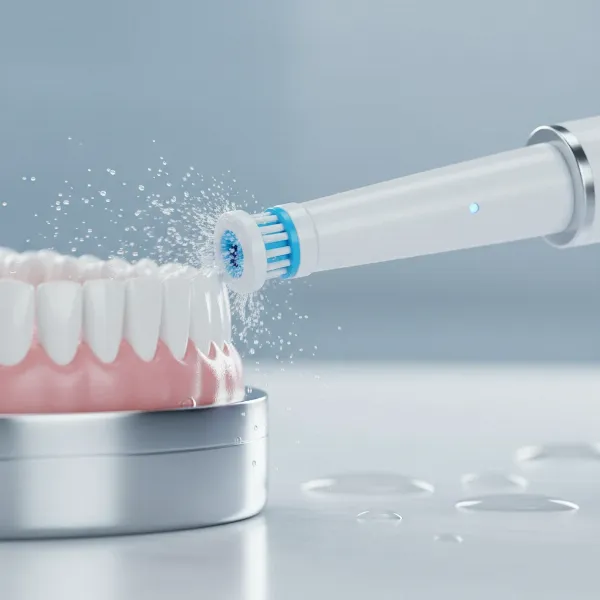
Are you dreaming of a brighter, more confident smile, free from the dullness of everyday stains? Many people seek effective ways to enhance their teeth’s natural radiance, and the electric toothbrush, with its specialized whitening modes, often emerges as a powerful tool in this pursuit. But what exactly do these modes do, and how can you harness their full potential? This comprehensive guide, crafted from years of expertise in dental care, will demystify the whitening mode on your electric toothbrush, helping you achieve a dazzling smile while maintaining optimal oral health.
Understanding Electric Toothbrush Whitening Modes
An electric toothbrush whitening mode is a specialized setting designed to enhance the removal of surface stains, such as those caused by coffee, tea, red wine, and certain foods. It’s crucial to understand that this mode doesn’t chemically bleach or change your intrinsic tooth color. Instead, it works through advanced mechanical action, polishing your teeth to reveal their natural brightness. This differs significantly from professional dental bleaching treatments, which use chemicals to alter the actual shade of your teeth.
Historically, the primary function of toothbrushes was basic plaque removal. With advancements in dental technology, electric toothbrushes evolved to offer a variety of modes tailored to specific oral care needs. The whitening mode represents a sophisticated enhancement of the standard cleaning process, focusing on a more vigorous, yet safe, polishing action. Modern electric toothbrushes typically employ either oscillating-rotating or sonic technologies, each with distinct mechanisms that are optimized by the whitening mode for superior stain removal.
How Whitening Modes Work
|
Our Picks for the Best Electric Toothbrush in 2026
As an Amazon Associate I earn from qualifying purchases.
|
||
| Num | Product | Action |
|---|---|---|
| 1 | COSLUS Sonic Electric Toothbrush for Adults C40(DY-108Pro): 47000 VPM for Deep Cleaning with Travel Case - 5 Modes for Sensitive Teeth & Brace, Wireless Charging, 6 Brush Heads for Family, Black (1PC) |

|
| 2 | Philips Sonicare 4100 Rechargeable Electric Toothbrush, Advanced Plaque Removal, Pressure Sensor, Includes Brush Head Case, White BD5002AZ |
|
| 3 | Oral-B Pro 1000 Rechargeable Electric Toothbrush, White |
|
| 4 | Oral-B Pro 1000 Rechargeable Electric Toothbrush, Black |
|
| 5 | Onlyone Sonic Electric Toothbrush for Adults, Rechargeable Ultrasonic Electric Toothbrush with 8 Brush Heads, Travel Case, Charging Base & Wireless Charging - 5 Modes with Smart Timer |
|
| 6 | Oral-B iO Simple Clean Rechargeable Electric Powered Toothbrush, Pure White with 1 Gentle Care Brush Head and 1 White Travel Case - Automatic Pressure Sensor to Protect Gums - 3 Modes -2 Min Timer |
|
| 7 | Oral-B iO Simple Clean Rechargeable Electric Powered Toothbrush, Night Black with 1 Gentle Care Brush Head and 1 Black Travel Case - Automatic Pressure Sensor to Protect Gums - 3 Modes - 2 Min Timer |
|
| 8 | Philips Sonicare 2100 Series Electric Toothbrush - Sonic Toothbrush with Advanced Sonic Technology, Two Intensity Settings, Smartimer & Quadpacer, White, Model HX3661/04 |
|
| 9 | Philips Sonicare 1100 Series Electric Toothbrush - Sonic Toothbrush with Advanced Sonic Technology, EasyStart, Smartimer & Quadpacer, White, Model HX3641/02 |
|
| 10 | Philips Sonicare 4100 Series Electric Toothbrush - Sonic Toothbrush with Advanced Sonic Technology, Pressure Sensor, Two Intensity Settings, Smartimer & Quadpacer, Deep Pink, Model HX3681/26 |
|
Electric toothbrush whitening modes operate by adjusting the brush head’s movement, speed, and overall duration to maximize stain lifting. Rather than a uniform cleaning motion, these modes often cycle through varying speeds and patterns, mimicking the polishing action performed during a professional dental cleaning. This enhanced mechanical action effectively breaks up and dislodges stubborn surface discoloration.
For instance, many whitening modes incorporate an initial standard clean phase, lasting approximately two minutes, followed by an additional 20 to 30 seconds specifically for polishing the front teeth. This extended polishing period focuses on the most visible parts of your smile, where surface stains are often most noticeable. The precise combination of oscillations, pulsations, or high-frequency sonic vibrations is calibrated to be highly effective at removing stains without causing harm to your enamel or gums when used correctly.
The Brilliant Benefits of Whitening Mode
Incorporating your electric toothbrush’s whitening mode into your daily routine offers several compelling advantages, extending beyond just aesthetics. By actively targeting surface stains, these modes contribute significantly to a healthier and more radiant smile.
Primarily, the most direct benefit is the effective removal of surface stains. The specialized motion and intensity of the whitening mode are expertly designed to lift discoloration caused by common dietary habits and lifestyle factors, helping to restore your teeth to their natural, lighter shade. This polishing action not only brightens your smile but also makes your tooth surfaces smoother, which can deter new stains from adhering as easily.
Beyond cosmetic improvements, utilizing a whitening electric toothbrush can also contribute to improved overall oral hygiene. The vigorous cleaning action that underlies the whitening mode is inherently excellent at disrupting and removing plaque and food debris. By keeping plaque buildup at bay, you reduce your risk of cavities and gum disease, leading to a healthier mouth. The thorough cleaning and polishing leave your teeth feeling exceptionally smooth and clean, a sensation often compared to a professional dental cleaning. This polished feel contributes to a fresher breath and a more confident oral presentation. Furthermore, when used as directed, these modes are gentle yet effective, designed with safety features to prevent excessive pressure or irritation to gums and enamel.
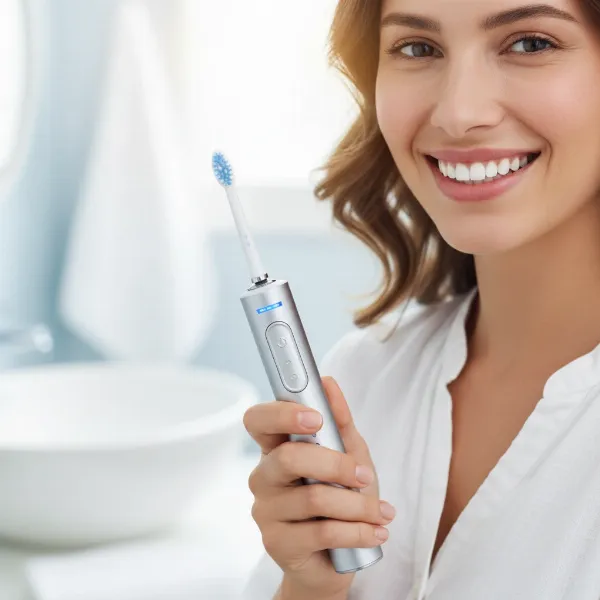 A person smiling brightly, showcasing clean, white teeth, holding an electric toothbrush with a glowing head. The image conveys health and confidence.
Exploring Electric Toothbrush Types and Their Whitening Approaches
The world of electric toothbrushes primarily divides into two main categories: oscillating-rotating and sonic. Each type employs a distinct mechanism that, when combined with a whitening mode, offers unique benefits for stain removal. Understanding these differences can help you select the best brush for your whitening goals.
Oscillating/Rotating Electric Toothbrushes
Often associated with brands like Oral-B, oscillating-rotating toothbrushes feature a small, round brush head that cups each tooth individually. During a whitening mode, these brushes typically increase their speed, oscillating (moving back and forth) and pulsating (vibrating) to dislodge plaque and polish away surface stains. For example, some Oral-B models’ whitening modes extend the standard two-minute cleaning cycle with an additional 20-30 seconds, specifically targeting the front teeth with intensified polishing movements to enhance brightness. The action is designed to be highly effective at physically scrubbing away extrinsic discoloration.
Sonic Electric Toothbrushes
Brands like Philips Sonicare are known for their sonic toothbrushes, which use high-frequency vibrations to clean teeth. These vibrations create thousands of brush strokes per minute, generating dynamic fluid action that extends beyond the bristles to clean between teeth and along the gumline. In whitening mode, sonic brushes often amplify these vibrations or introduce specific patterns designed to work harder on surface stains. Philips Sonicare’s White mode, for instance, adds an extra thirty seconds after the standard two-minute clean, focusing on polishing the front teeth to restore shine. The gentle yet powerful sonic action is highly efficient at removing stains without aggressive scrubbing.
Emerging Whitening Technologies
Beyond the core mechanical actions, some electric toothbrushes integrate additional technologies to boost whitening. This includes models with blue LED light, which some brands claim activate specialized whitening toothpastes to accelerate stain removal. Another innovative development involves toothbrush-activated powders, which generate compounds when vibrated by an electric toothbrush to break apart stain-causing molecules. While promising, it’s essential to note that the primary stain removal comes from the brush’s mechanical action, and these supplementary technologies aim to enhance that effect.
A Comparative Look at Brushing Modes
To fully appreciate the whitening mode, it helps to understand how it stands apart from other common electric toothbrush settings. The following table provides a clear comparison:
| Feature | Standard Clean Mode | Whitening Mode | Sensitive Mode | Gum Care Mode |
|---|---|---|---|---|
| Primary Goal | Comprehensive plaque removal, daily cleaning | Surface stain removal, polishing | Gentle cleaning for sensitive areas | Gentle massage, improved gum health |
| Brushing Action | Consistent, thorough, powerful | Varied speed/motion, intensified polishing | Softer, lower intensity vibrations | Specific massage patterns, reduced power |
| Duration | Typically 2 minutes | Often 2 minutes + 20-30 seconds polishing | Typically 2 minutes | Often 2 minutes + 1 minute massage |
| Intensity | Standard high intensity | Higher or varied intensity | Lower intensity | Reduced power |
| Recommended Use | Daily for general oral hygiene | Daily (as part of routine) or occasional for polish | For sensitive teeth/gums, or beginners | For promoting gum circulation and health |
How to Choose the Right Electric Toothbrush for Whitening
Selecting an electric toothbrush with an effective whitening mode requires considering several factors to ensure it meets your specific oral health and aesthetic goals. With a market full of options, a little guidance can go a long way.
First, clarify your primary goal. Are you looking to remove everyday surface stains, or are you seeking a dramatic change in your natural tooth shade? Remember, electric toothbrushes excel at stain removal, not chemical bleaching. Next, consider the type of brush you prefer: sonic or oscillating-rotating. Both are effective, but some individuals find one more comfortable or effective for their personal needs. If targeting surface stains is a priority, ensure the model you choose explicitly features a dedicated “whitening” or “polish” mode. This indicates it has been engineered with specific actions to optimize stain removal.
Brush head compatibility is also vital. Many brands offer specialized whitening brush heads (e.g., Oral-B’s 3D White, Philips Sonicare’s DiamondClean) designed with unique bristle patterns or polishing cups that work synergistically with the whitening mode to enhance stain removal. Don’t overlook additional features that support overall oral health while contributing to a brighter smile. A built-in timer ensures you brush for the dentist-recommended duration, while a pressure sensor protects your gums and enamel from excessive force, which can be particularly important during more intense polishing. Bluetooth connectivity and app integration can offer personalized brushing guidance and track your progress, potentially helping you maintain consistency for better whitening results. Finally, always prioritize reputable brands with good customer reviews and a solid warranty. Reading user experiences can provide valuable insights into the real-world effectiveness of a brush’s whitening mode.
Top Electric Toothbrushes for Whitening Today
While specific model names frequently change and new innovations emerge, leading brands consistently offer excellent options for teeth whitening. When considering top choices, look for electric toothbrushes from manufacturers renowned for their dental technology and commitment to oral health.
Philips Sonicare DiamondClean Series are often highlighted for their powerful sonic action and dedicated “White+” mode, which targets surface stains and polishes teeth for a noticeably brighter smile. These models typically feature advanced brush heads designed to enhance stain removal, offering a premium experience. Similarly, the Oral-B iO Series frequently receives accolades for its revolutionary magnetic iO™ technology, combining micro-vibrations with oscillating-rotating movements. Their “Whiten” mode is engineered to provide an intense polishing action, effectively lifting stains to reveal brighter teeth.
Other notable contenders include certain models within the Oral-B Genius Series and Philips Sonicare ProtectiveClean Series, which offer robust cleaning and dedicated whitening modes at various price points. When evaluating specific models, always check for features like long battery life, pressure sensors, multiple intensity settings, and compatibility with specialized whitening brush heads. These attributes contribute to not only effective stain removal but also a comfortable and safe brushing experience. Remember to consult product specifications and user reviews for the most current information and to find a model that best fits your individual budget and preferences.
A Step-by-Step Guide to Using Your Electric Toothbrush’s Whitening Mode
To unlock the full potential of your electric toothbrush’s whitening mode and achieve a visibly brighter smile, proper technique and consistent use are paramount. Follow these steps for an optimal whitening routine:
- Preparation is Key: Begin by moistening your brush head and applying a pea-sized amount of whitening toothpaste. While the brush’s mechanical action is the primary driver for stain removal, a toothpaste formulated for whitening can offer synergistic benefits by gently polishing or breaking down surface stains. Avoid overly abrasive toothpastes that could harm enamel.
- Activate the Whitening Mode: Turn on your electric toothbrush. Depending on your model, you’ll typically switch to the whitening mode by either pressing the power button multiple times to cycle through the available modes or by using a dedicated mode button, often located below the power button. Your brush may indicate the active mode with a light, icon, or a distinct sound pattern.
- Master the Technique: Place the brush head against your teeth at a slight angle towards the gumline. Allow the electric toothbrush to do the work; you don’t need to scrub vigorously. Slowly glide the brush head from tooth to tooth, covering all surfaces—outer, inner, and chewing surfaces. Pay particular attention to your front teeth during the polishing phase of the whitening mode, as these are often the most visible and prone to staining.
- Adhere to the Timer: Most electric toothbrushes have a built-in timer, often signaling every 30 seconds to prompt you to move to a new quadrant of your mouth. The whitening mode typically runs for 2 minutes and 20-30 seconds, including an extended polishing segment. Ensure you brush for the full duration to maximize stain removal.
- Rinse and Maintain: After brushing, rinse your mouth thoroughly with water. Rinse your brush head under running water to remove any toothpaste residue and allow it to air dry. For optimal performance and hygiene, remember to replace your brush head every three months or sooner if the bristles appear frayed. Consistent use, typically once or twice daily, will yield the best results for maintaining a brighter smile.
Where to Purchase Reliable Electric Toothbrushes
Investing in a quality electric toothbrush is an investment in your oral health and smile confidence. To ensure you purchase an authentic and effective device, it’s crucial to buy from reliable sources.
Leading pharmacies and drugstores often carry a wide selection of electric toothbrushes from major brands like Oral-B and Philips Sonicare. These retailers provide the convenience of in-person shopping and the ability to ask questions to store associates. Large electronics retailers and department stores also typically feature dedicated oral care sections with various electric toothbrush models, from entry-level to advanced. For those who prefer online shopping, official brand websites (e.g., Oral-B.com, Philips.com) are excellent sources, often offering exclusive deals, the latest models, and direct customer support. Reputable online marketplaces like Amazon or dedicated dental supply websites can also provide competitive pricing and a broad range of choices, but always ensure the seller is authorized to avoid counterfeit products. Finally, your local dental office or hygienist may also offer professional-grade electric toothbrushes or provide recommendations based on your specific oral health needs. Regardless of where you choose to purchase, always check for warranty information and customer service options to protect your investment.
Conclusion
Embracing the whitening mode on your electric toothbrush can be a game-changer for maintaining a brighter, healthier smile. By leveraging enhanced mechanical action, these innovative modes effectively remove surface stains, restoring your teeth’s natural radiance without resorting to harsh chemicals. Remember, consistency in your brushing routine, proper technique, and pairing your brush with appropriate toothpaste and brush heads are key to unlocking the full potential of this feature. While it won’t change your inherent tooth color, it’s a powerful ally in your quest for a confident, stain-free grin. So, why wait to achieve the brilliant smile you deserve?
Frequently Asked Questions
Does the whitening mode on an electric toothbrush actually bleach teeth?
No, the whitening mode on an electric toothbrush does not bleach your teeth. It works through enhanced mechanical action and polishing to remove surface stains caused by food, drinks, and tobacco, revealing your teeth’s natural whiteness. It does not alter your intrinsic tooth color or use chemical agents like professional bleaching treatments.
How long does it take to see results from using the whitening mode?
The time it takes to see results can vary depending on individual factors like the severity of existing stains and your daily habits. Many users report noticing a brighter smile within a few weeks of consistent daily use, as surface stains are gradually polished away. For optimal and lasting results, continuous use is recommended.
Is the whitening mode safe for sensitive teeth or gums?
Electric toothbrush whitening modes are generally designed to be safe for daily use. However, if you have sensitive teeth or gums, you might experience some initial discomfort due to the increased intensity. Many brushes offer sensitive modes or intensity settings that can be adjusted. Always use a gentle hand and consult your dentist if sensitivity persists.
What kind of toothpaste should I use with the whitening mode?
For best results, use a non-abrasive whitening toothpaste that is specifically formulated to help remove surface stains. Avoid highly abrasive toothpastes that could potentially damage enamel over time. Look for toothpastes with ingredients like silica or polishing agents that complement the mechanical action of your Electric Toothbrush.
Can I use the whitening mode every day?
Yes, most manufacturers design their whitening modes for regular, even daily, use. Integrating it into your morning or evening routine can help consistently remove new surface stains. However, always refer to your specific toothbrush’s manual for recommended usage frequency, as some brands may suggest alternating with a standard clean mode.